Choosing the Right Flooring Material for a Modern Home
Flooring has a bigger impact on a home than most people initially expect.
It influences not only how a space looks, but also how it feels, sounds, ages, and functions over time. Since flooring connects every room together visually, the material choice often becomes one of the defining elements of the entire interior.
And while trends constantly evolve, homeowners today are generally looking for the same balance:
- durability,
- timeless design,
- comfort,
- and materials that continue looking good years after installation.
The challenge is that every flooring option creates a completely different atmosphere inside the home.
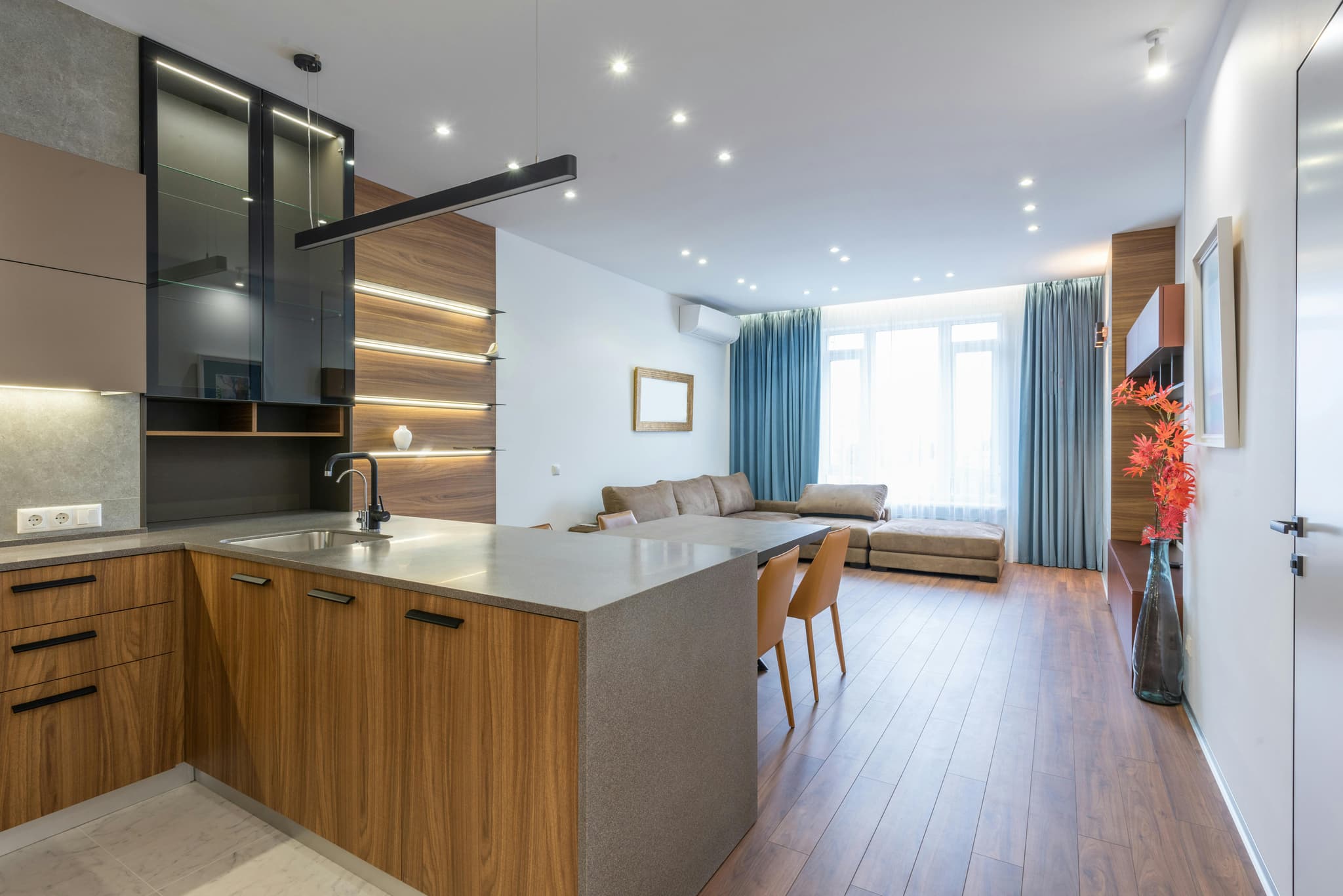
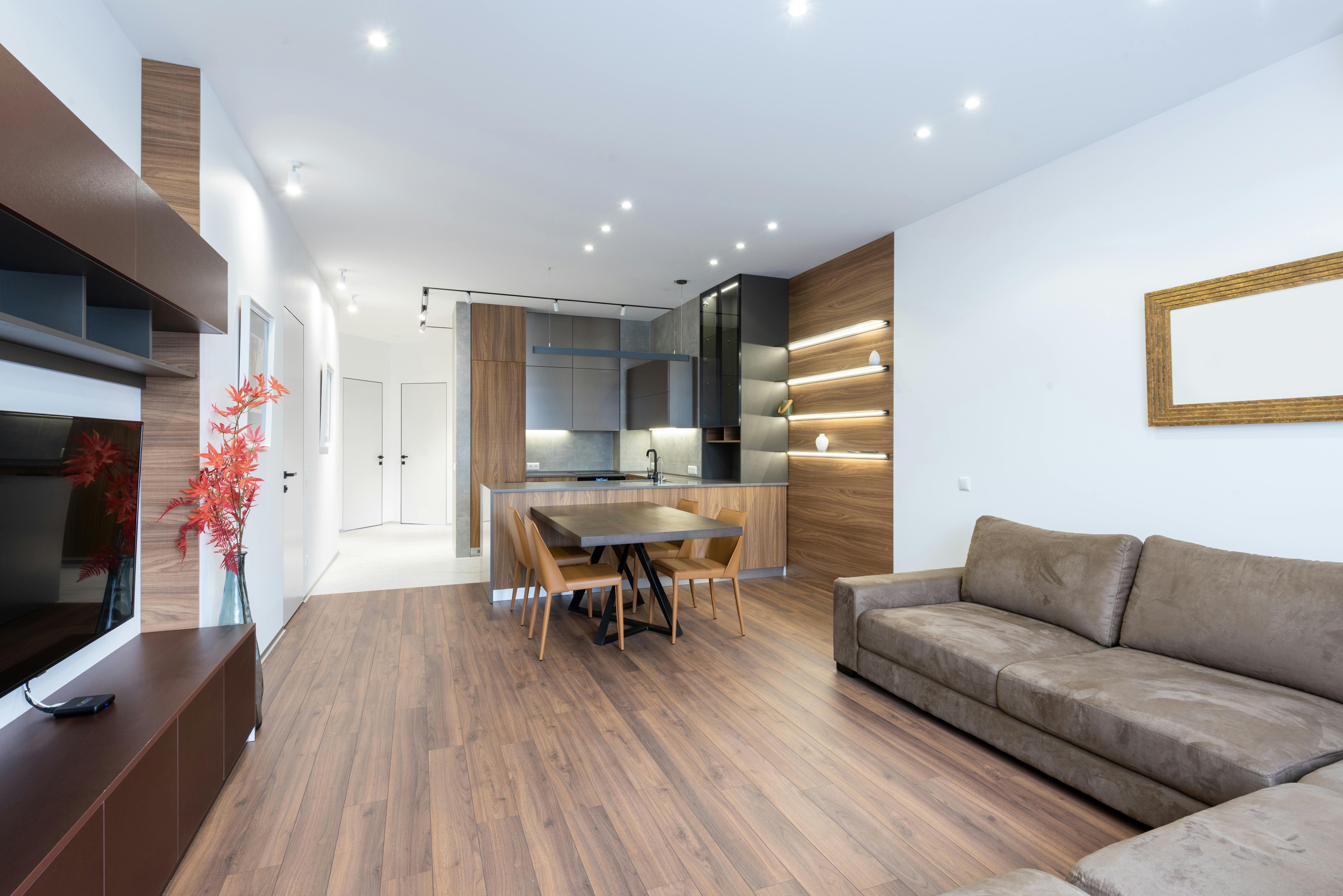
Wood flooring remains one of the most popular choices in modern residential design for a reason.
Natural wood immediately adds warmth and softness to interiors, especially in homes with minimalist architecture or neutral palettes. It helps contemporary spaces feel more inviting and less sterile.
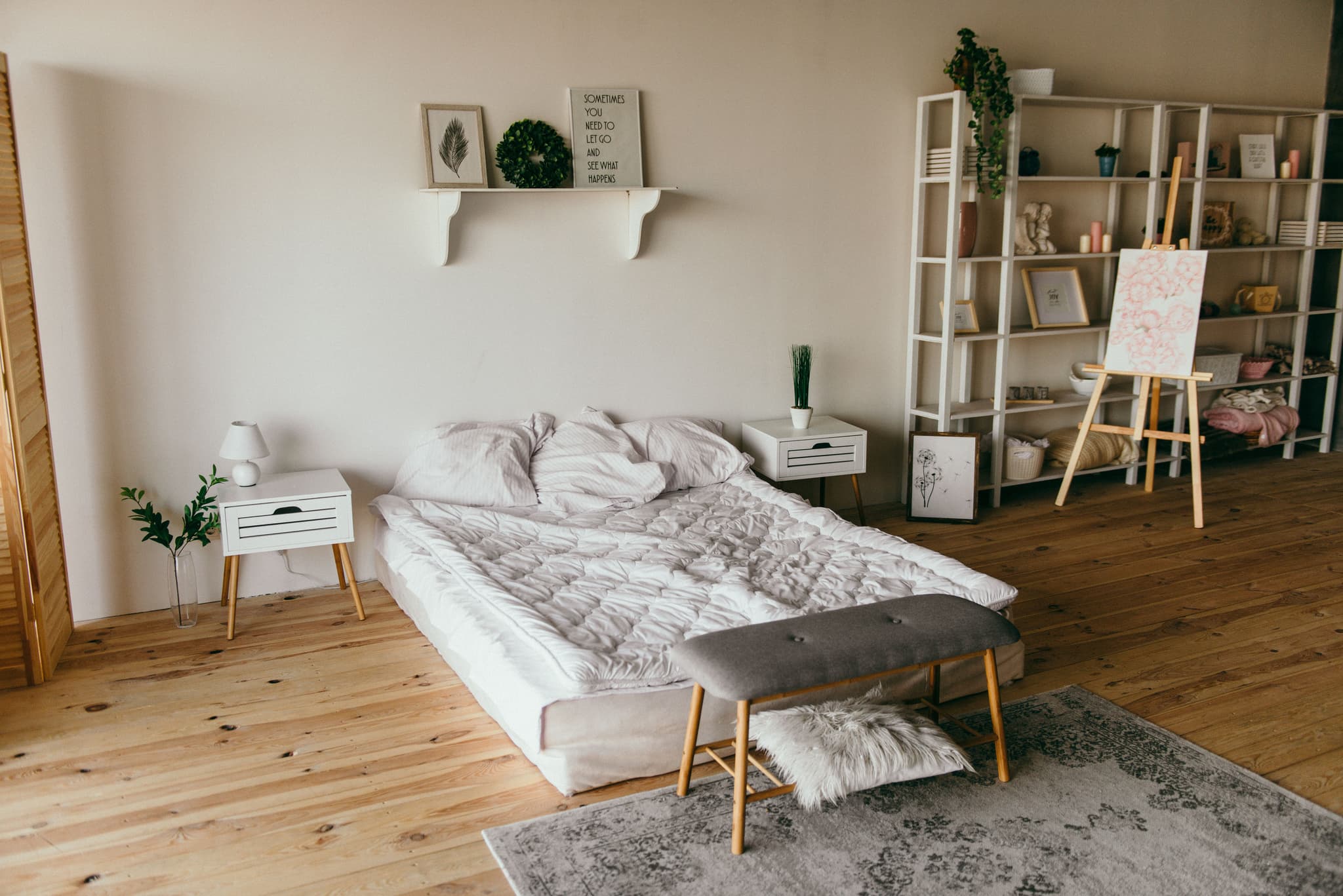
Lighter wood tones like oak and ash have become especially popular because they work well with both modern and transitional interiors.
What homeowners often appreciate most about wood flooring is how naturally it ages. Small imperfections and wear patterns tend to add character over time rather than making the material feel damaged immediately.
Stone flooring creates a very different experience.
Materials like limestone, travertine, and large-format porcelain tile often make interiors feel more architectural and grounded. They’re commonly used in contemporary homes that focus heavily on clean lines and natural materials.
Stone also performs especially well in:
- kitchens,
- bathrooms,
- entryways,
- and indoor-outdoor living spaces.
One of the biggest advantages of stone and tile flooring is durability. These materials handle moisture, heavy traffic, and long-term wear extremely well when installed properly.
However, they also tend to feel cooler and harder underfoot compared to wood, which is why many homeowners combine them strategically throughout different areas of the home.
Concrete flooring has also become increasingly common in modern architecture.
Polished concrete was once associated mostly with industrial spaces, but today it’s frequently used in high-end contemporary homes because of its minimal appearance and durability.
Its clean, uninterrupted surface works especially well in:
- open-concept layouts,
- minimalist interiors,
- and homes with large natural light exposure.
At the same time, concrete usually requires thoughtful balancing through softer textures, warmer lighting, and natural materials to prevent spaces from feeling overly cold.
Another important factor homeowners consider today is maintenance.
Some flooring materials naturally handle everyday life more easily than others.
Families with children, pets, or heavy daily traffic often prioritize:
- scratch resistance,
- moisture protection,
- and easier cleaning routines.
That’s one reason engineered wood and high-quality porcelain flooring continue growing in popularity — they offer a balance between appearance and practicality.
Color and finish choices also play a major role in how flooring ages visually over time.
Extremely dark floors can show dust and scratches more easily, while overly trendy tones may start feeling outdated within a few years.
Many modern interiors now lean toward:
- soft natural oak,
- warm beige stone,
- matte finishes,
- and neutral earth-inspired tones
because they create flexibility as furniture and design trends evolve.
One of the biggest mistakes homeowners make during renovations is choosing flooring based only on appearance in a showroom.
Lighting, room size, wall colors, and even ceiling height can completely change how flooring feels once installed inside a real home.
A material that looks beautiful in isolation may feel too dark, too reflective, or too cold in the actual living space.
That’s why flooring decisions work best when viewed as part of the overall architectural atmosphere rather than a separate design element.
At its core, flooring is one of the few materials people interact with every single day without necessarily thinking about it.
The right flooring quietly shapes:
- comfort,
- movement,
- acoustics,
- and the emotional atmosphere of a home.
And because of that, the best flooring choices are usually the ones that balance visual design with long-term livability rather than simply following short-term trends.