Why Dark Accents Are Becoming Popular in Modern Home Design
For years, modern interiors were dominated by bright white palettes and highly minimal spaces.
White walls, light cabinetry, pale flooring, and soft neutral tones created the clean aesthetic that defined contemporary design for a long time. While those lighter interiors remain popular, many homeowners and designers are now introducing something that creates stronger visual balance:
Dark accents.
Used carefully, darker details can add depth, contrast, and sophistication without making interiors feel heavy or overly dramatic.
And in modern design, that balance has become increasingly important.
One reason dark accents work so well is because they create visual structure inside lighter spaces.
In neutral interiors, darker elements naturally draw attention and help define architectural details:
- black window frames,
- dark kitchen islands,
- matte fixtures,
- charcoal cabinetry,
- and darker wood tones
all create contrast that makes interiors feel more layered and intentional.
Without contrast, very bright interiors can sometimes feel visually flat.
Black window frames have become especially popular in contemporary architecture.
They help frame outdoor views more clearly while giving homes a cleaner and more architectural appearance overall.
Dark-framed windows also pair extremely well with:
- natural wood,
- stone textures,
- warm neutral palettes,
- and minimalist layouts.
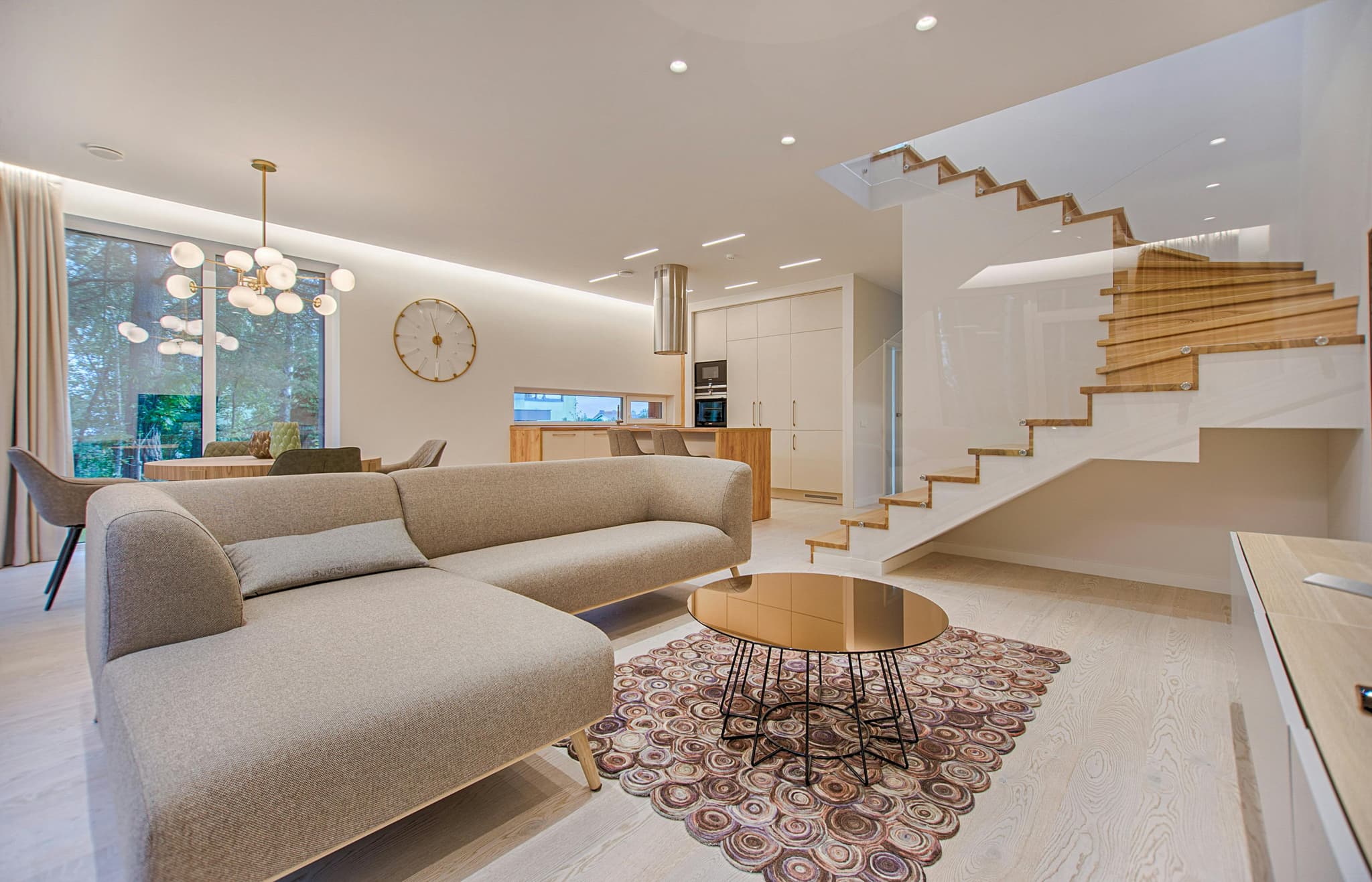
This combination has become one of the defining looks of modern residential design.
Kitchens have embraced dark accents particularly strongly.
Instead of fully dark kitchens, many homeowners are using darker elements more strategically:
- matte black fixtures,
- dark lower cabinetry,
- darker islands,
- or black hardware
combined with lighter countertops and walls.
This creates a more balanced and timeless appearance compared to extremely monochromatic interiors.
Dark wood tones are also returning after years of very light Scandinavian-inspired finishes dominating modern homes.
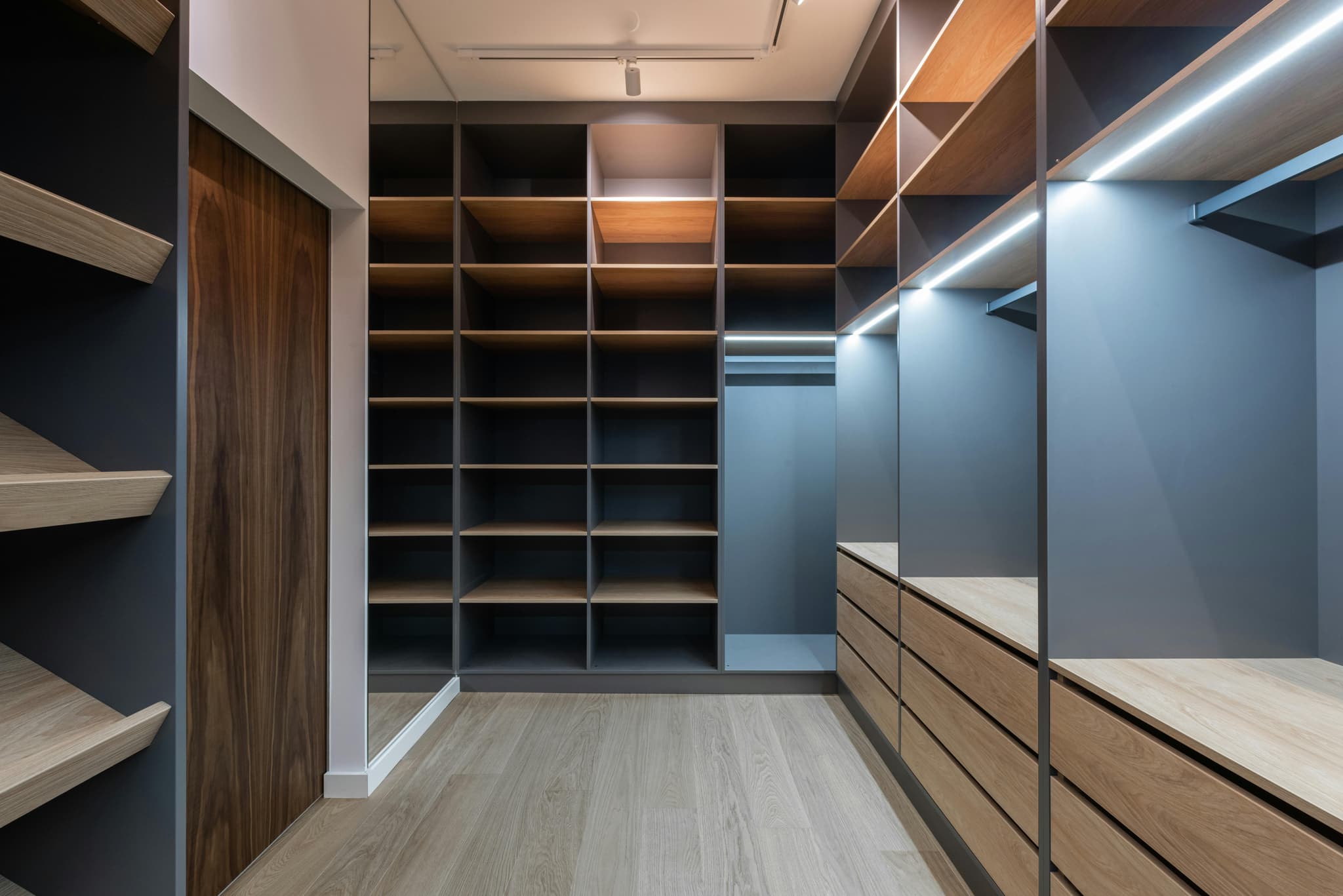
Walnut, smoked oak, espresso finishes, and richer wood textures are increasingly used to add warmth and visual depth.
Interestingly, darker wood often feels more luxurious because it introduces contrast without relying on excessive decoration.
When combined with softer lighting and natural materials, darker finishes help interiors feel grounded and sophisticated rather than cold.
Lighting plays a major role in making dark accents successful.
Poorly lit spaces can feel smaller or heavier when darker tones are introduced excessively. That’s why modern interiors often balance darker details with:
- large windows,
- layered lighting,
- warm ambient illumination,
- and reflective natural textures.
The goal is contrast, not darkness.
Another reason this trend continues growing is because homeowners are moving away from interiors that feel overly sterile or too uniform.
Pure white spaces can sometimes lack personality or warmth over time. Darker details help create focal points and visual rhythm without making interiors feel cluttered.
This approach works especially well in:
- minimalist homes,
- modern luxury interiors,
- industrial-inspired spaces,
- and warm contemporary design.
Importantly, dark accents are usually most effective when used selectively.
Rooms completely dominated by dark colors can sometimes feel visually overwhelming, especially in smaller spaces. Strategic contrast tends to create a much more balanced atmosphere.
That’s why many designers focus on introducing darker tones through:
- fixtures,
- furniture,
- lighting,
- trim details,
- or statement architectural elements
rather than covering entire spaces in dark finishes.
Interestingly, dark accents also tend to age well visually.
While some bold trend-driven colors quickly become dated, black, charcoal, and darker natural wood tones usually remain timeless because they function more like architectural neutrals than temporary statement colors.
This makes them easier to integrate into evolving interiors over time.
At its core, the growing popularity of dark accents reflects a broader evolution happening in modern interior design.
People still appreciate bright, open spaces — but they also want interiors that feel layered, balanced, and visually grounded.
Dark accents help create that depth quietly through contrast and detail rather than excessive decoration.
And that subtle balance is exactly why this trend continues to resonate so strongly in modern homes today.