Why Warm Minimalism Is Replacing Cold Modern Interiors
For years, modern interiors were dominated by sharp lines, bright white walls, glossy finishes, and spaces that looked almost untouched. The aesthetic felt clean and sophisticated, but over time many homeowners started realizing something important: some modern homes looked impressive, yet didn’t always feel comfortable to live in.
That’s one of the biggest reasons warm minimalism has become so popular.
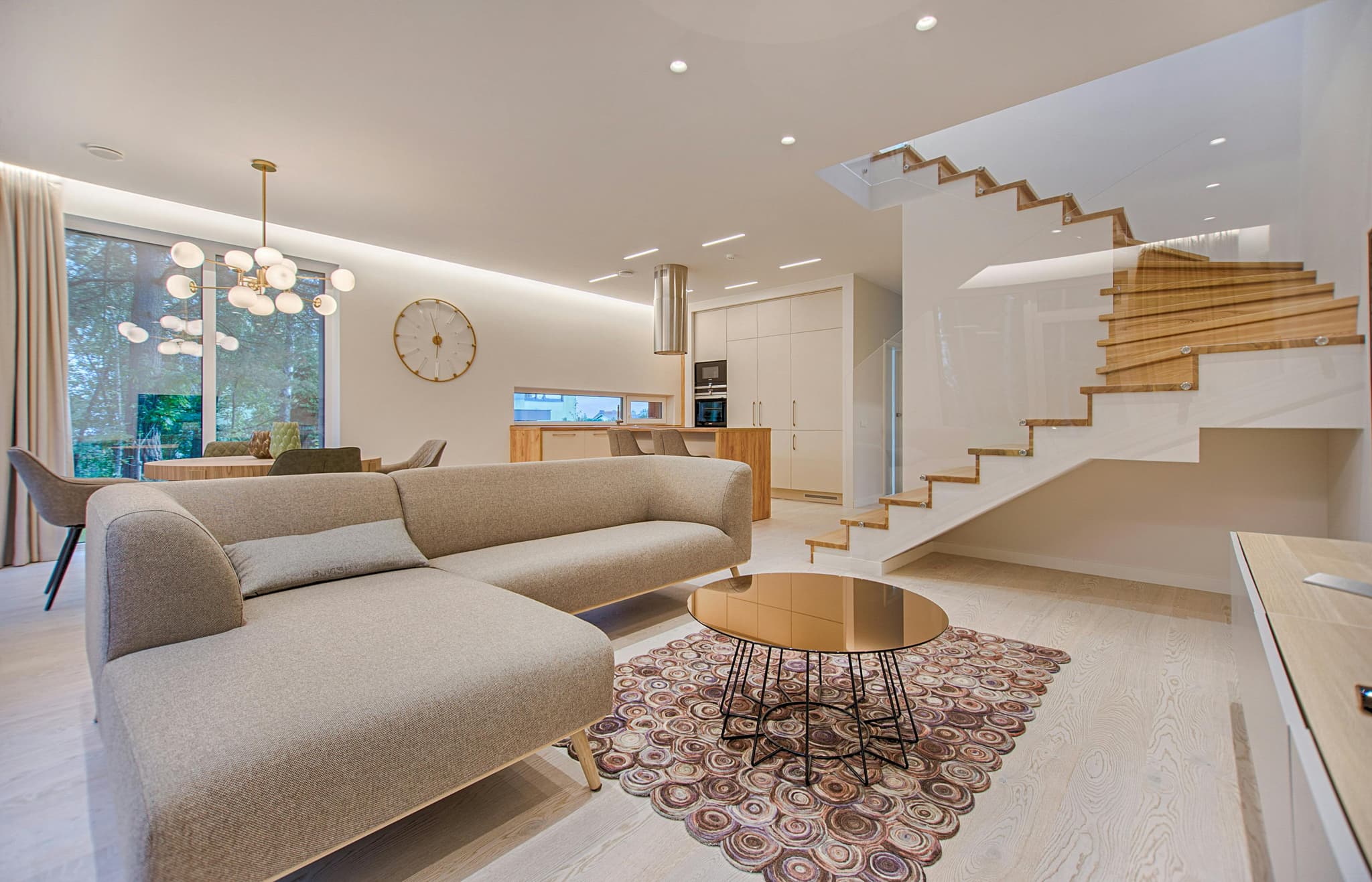
The style keeps the simplicity and openness people still love about modern design, but introduces softer textures, natural materials, warmer colors, and a much more inviting atmosphere overall.
Instead of feeling cold or overly polished, these spaces feel calm, lived-in, and balanced.
One of the biggest differences between traditional minimalism and warm minimalism is the use of materials.
Older modern interiors often focused heavily on:
- glossy surfaces,
- high contrast,
- pure white palettes,
- and industrial finishes.
Warm minimalism moves in the opposite direction.
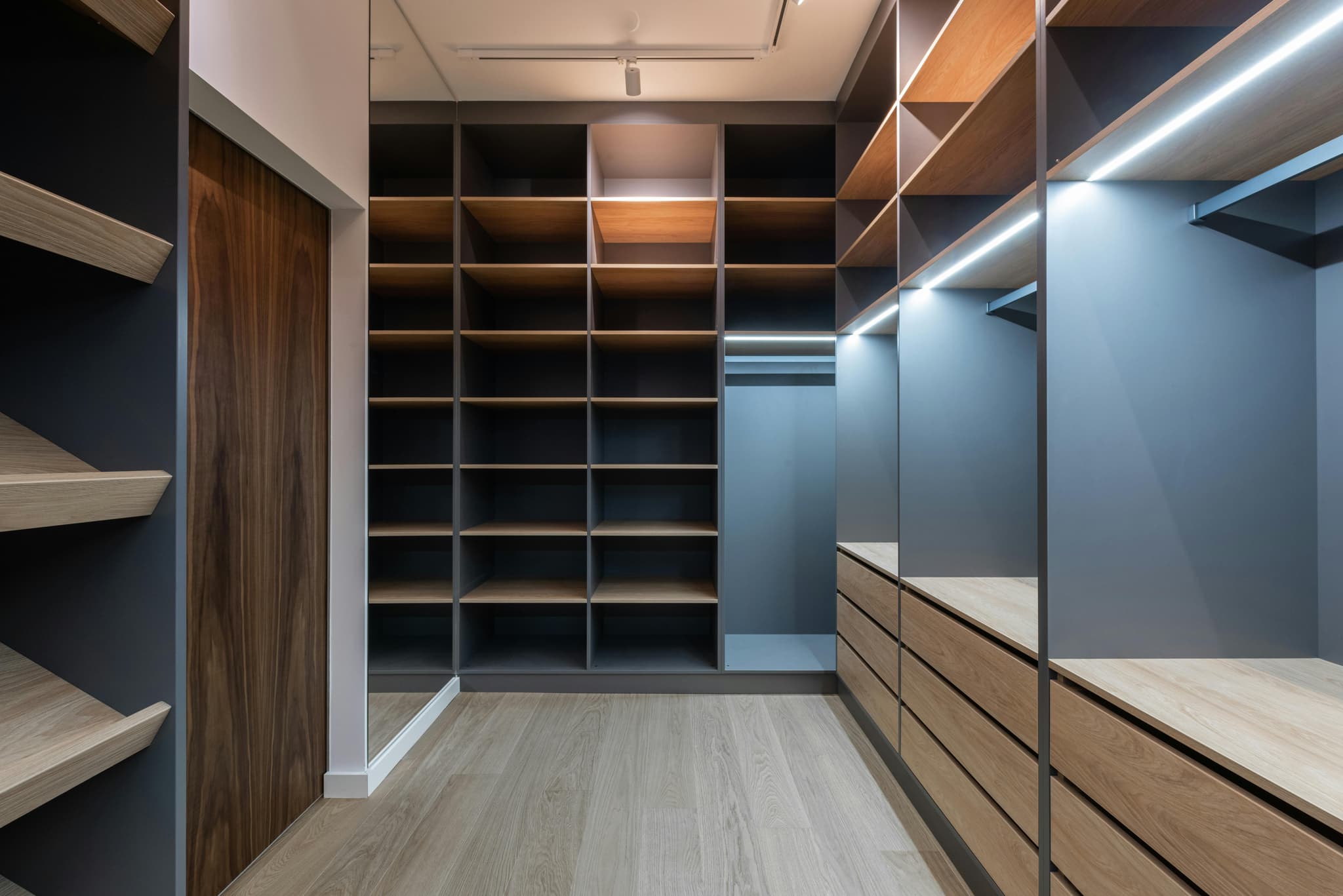
Natural wood, textured stone, linen fabrics, matte finishes, and softer lighting now play a much larger role in contemporary interiors.
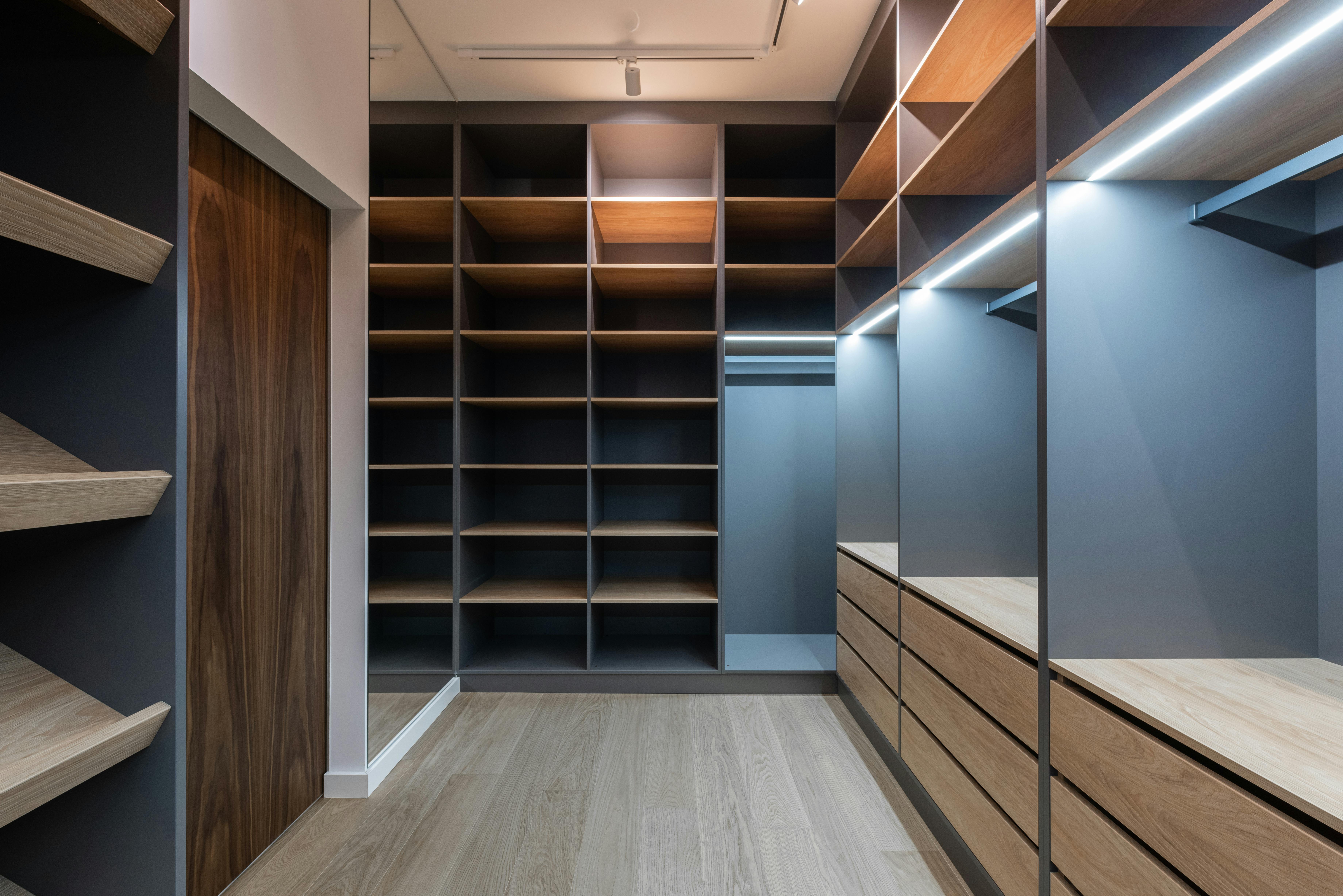
The goal is no longer creating a space that feels perfect. It’s creating a home that feels comfortable and timeless.
Lighting has also become a major part of this shift.
Bright white lighting used to dominate modern interiors because it emphasized clean architecture and sharp contrasts. Today, homeowners are leaning toward warmer and more layered lighting environments.
Soft indirect lighting, wall sconces, ambient fixtures, and natural daylight create spaces that feel significantly more relaxed.
This approach changes the emotional atmosphere of a home more than many people expect.
Color palettes have evolved in a similar way.
Instead of stark white and dark gray contrasts, warm minimalism usually centers around:
- beige,
- sand,
- warm white,
- taupe,
- soft brown,
- and muted earth tones.
These colors make interiors feel calmer while still maintaining the clean aesthetic associated with modern design.
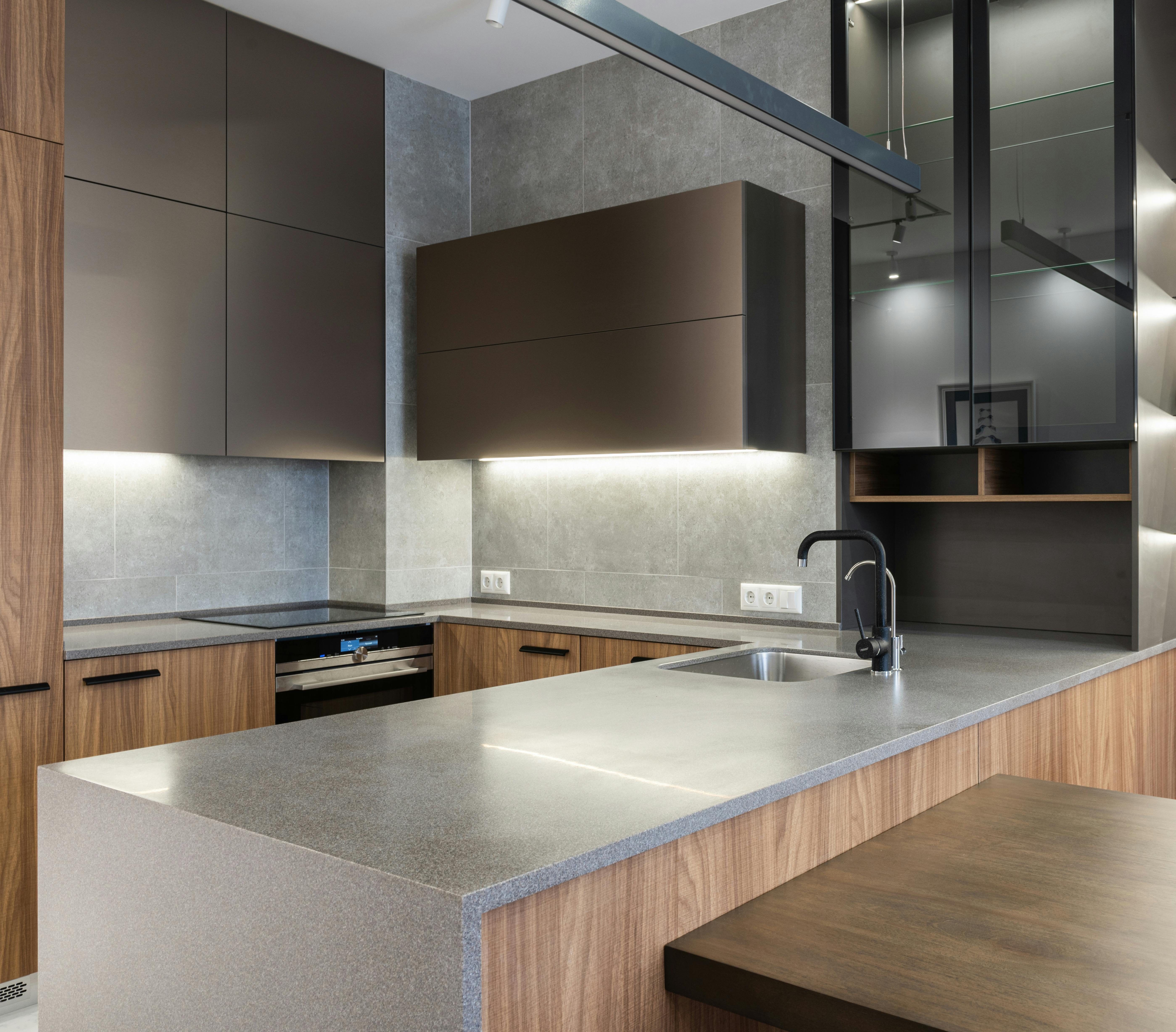
What makes these palettes especially appealing is how well they age over time. Neutral natural tones rarely feel outdated, which makes them a safer long-term investment compared to trend-driven color schemes.
Furniture choices have changed as well.
Modern interiors used to prioritize ultra-clean silhouettes that sometimes sacrificed comfort for appearance. Warm minimalism still values simplicity, but comfort now plays a much bigger role in furniture selection.
Oversized sofas, textured fabrics, rounded edges, natural wood finishes, and layered materials help spaces feel softer and more human.
There’s a growing focus on homes feeling emotionally relaxing rather than visually perfect.
Another reason this design trend continues growing is the way people use their homes today.
Homes are no longer just places to sleep and occasionally entertain guests. Many people now work remotely, spend more time indoors, and prioritize environments that support wellbeing and mental comfort.
As a result, interiors are becoming more personal and less focused on appearing “untouched.”
Warm minimalism supports that shift naturally because it creates spaces that feel peaceful without becoming cluttered.
Interestingly, warm minimalism also works well across different architectural styles.
It can complement:
- contemporary homes,
- Scandinavian-inspired interiors,
- transitional spaces,
- and even more traditional architecture.
That flexibility makes it easier for homeowners to incorporate elements gradually without completely redesigning their entire home.
One of the reasons this trend feels more sustainable than previous design trends is because it focuses less on statement pieces and more on atmosphere.
Instead of designing rooms around bold visual impact, warm minimalism focuses on:
- texture,
- natural light,
- material quality,
- and subtle details.
That usually leads to interiors that continue feeling relevant long after trend cycles change.
At its core, warm minimalism reflects a larger shift happening in modern living.
People still want simplicity and clean design, but they also want homes that feel welcoming, calming, and genuinely comfortable to spend time in.
And that balance between minimalism and warmth is exactly why this style continues to resonate with so many homeowners today.