Why Curved Shapes Are Returning to Modern Interior Design
For years, modern interior design focused heavily on sharp edges, clean lines, and highly structured geometry.
Minimalist architecture became known for straight walls, rectangular furniture, crisp corners, and perfectly symmetrical layouts. While that aesthetic still influences contemporary design today, interiors have gradually started moving in a softer direction.
Curved forms are making a strong comeback.
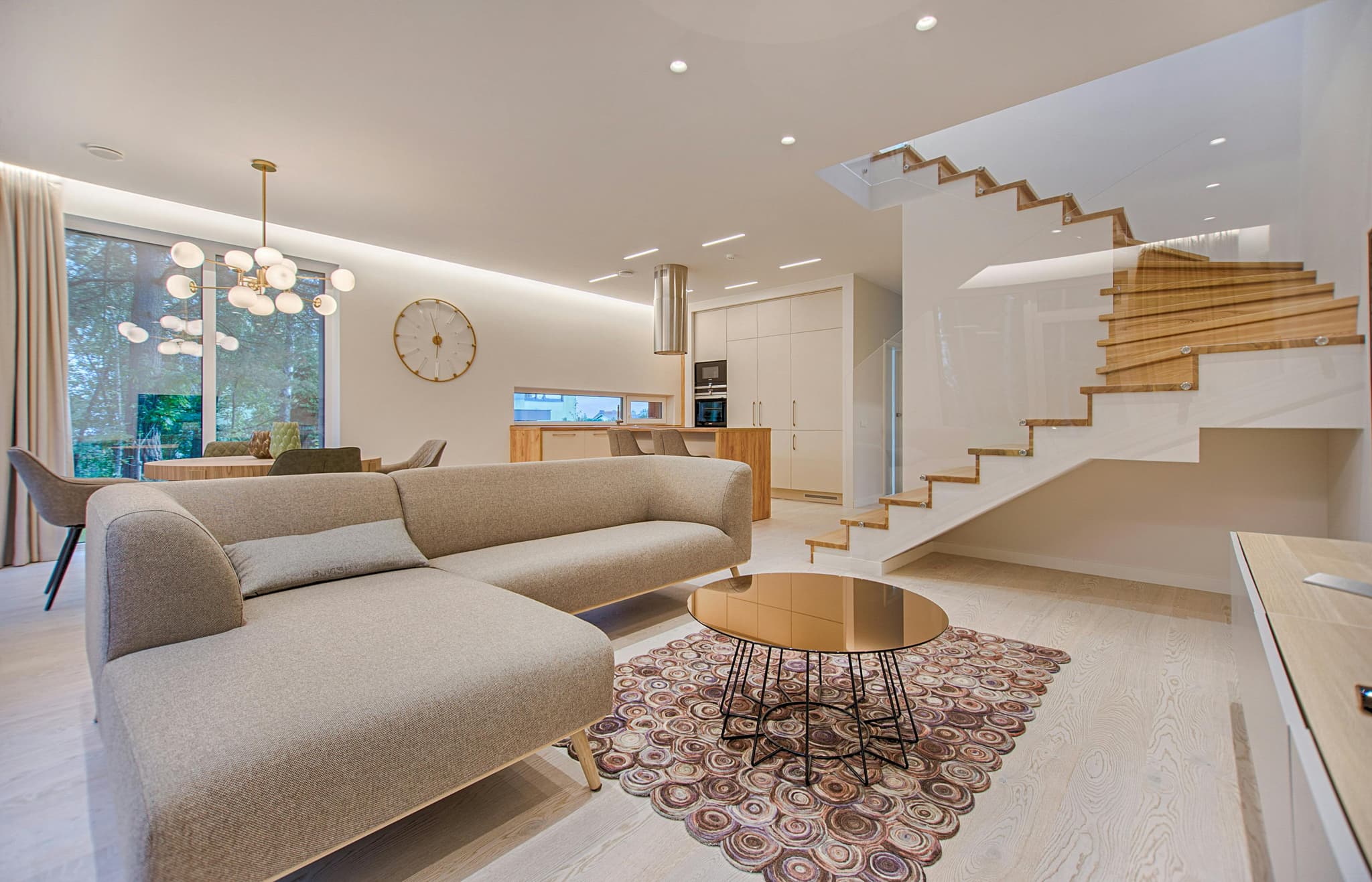
From rounded furniture and arched doorways to sculptural lighting and organic decor, softer shapes are becoming one of the most noticeable trends in modern residential design.
And the shift is about much more than appearance alone.
One reason curved elements feel so appealing is because they naturally soften modern spaces.
Contemporary interiors often rely on:
- minimal color palettes,
- clean architectural lines,
- and open layouts.
Without balance, those spaces can sometimes feel too rigid or overly formal.
Curves introduce movement and softness that make interiors feel more comfortable and approachable without sacrificing modern simplicity.
Even subtle curved details can completely change the emotional atmosphere of a room.
Furniture design has embraced this trend especially quickly.
Sofas, lounge chairs, coffee tables, and accent pieces increasingly feature:
- rounded edges,
- sculptural forms,
- softer silhouettes,
- and asymmetrical shapes.
These designs tend to feel more relaxed compared to traditional angular furniture arrangements.
Many homeowners are drawn to these pieces because they create interiors that feel warmer and less visually aggressive.
Architecture itself is also shifting toward softer geometry.
Arched doorways, curved walls, rounded kitchen islands, and organic transitions between spaces are becoming increasingly common in both renovations and new residential builds.
This trend works especially well in homes aiming for:
- warm minimalism,
- Mediterranean-inspired design,
- organic modern interiors,
- or contemporary luxury aesthetics.
Curves help create flow throughout a home rather than making spaces feel sharply separated.
Another reason curved design continues growing in popularity is psychological comfort.
Sharp edges and highly rigid environments can sometimes feel visually tense over time. Softer forms tend to feel calmer and more natural because they resemble shapes commonly found in nature.
That subtle emotional response plays a surprisingly large role in how people experience interior spaces daily.
Lighting design has evolved alongside this movement too.
Modern lighting trends now feature:
- globe pendants,
- sculptural fixtures,
- curved floor lamps,
- and rounded wall sconces
instead of purely linear industrial designs.
These softer lighting forms help interiors feel more layered and less mechanical.
Importantly, curved design does not necessarily mean abandoning minimalism.
Many contemporary homes still maintain very clean layouts and restrained color palettes. The difference is that curves introduce softness within that simplicity.
Instead of relying on excessive decoration, interiors create warmth through form and movement itself.
That’s one reason curved elements pair especially well with:
- textured materials,
- warm neutral colors,
- natural wood,
- and soft lighting.
Curved interiors also photograph differently.
Sharp minimalist spaces can sometimes appear cold or overly staged in real life. Organic forms create more visual depth and movement, which helps interiors feel more dynamic and comfortable both in person and visually.
This is partly why curved furniture and architectural details have become increasingly visible across luxury residential design over the last few years.
Interestingly, this trend also connects to a larger shift happening in modern living overall.
People are moving away from homes designed purely around visual perfection and toward spaces that feel emotionally calming and easier to live in daily.
Curves naturally support that atmosphere because they soften spaces without making them feel cluttered.
At its core, the return of curved design reflects a broader desire for interiors that balance modern simplicity with warmth and comfort.
People still appreciate clean architecture and contemporary aesthetics, but they also want homes that feel inviting rather than overly rigid.
And curved forms help create exactly that balance — through softness, flow, and a more natural sense of movement throughout the home.