How Natural Light Changes the Way a Home Feels
Some homes immediately feel calm and inviting the moment you walk inside.
Often, it’s not because of expensive furniture or luxury finishes. It’s because of light.
Natural light has a huge influence on how interiors feel emotionally and visually. It affects:
- atmosphere,
- comfort,
- energy,
- spatial perception,
- and even how materials and colors appear throughout the day.
That’s one reason modern residential design places such a strong focus on maximizing daylight whenever possible.
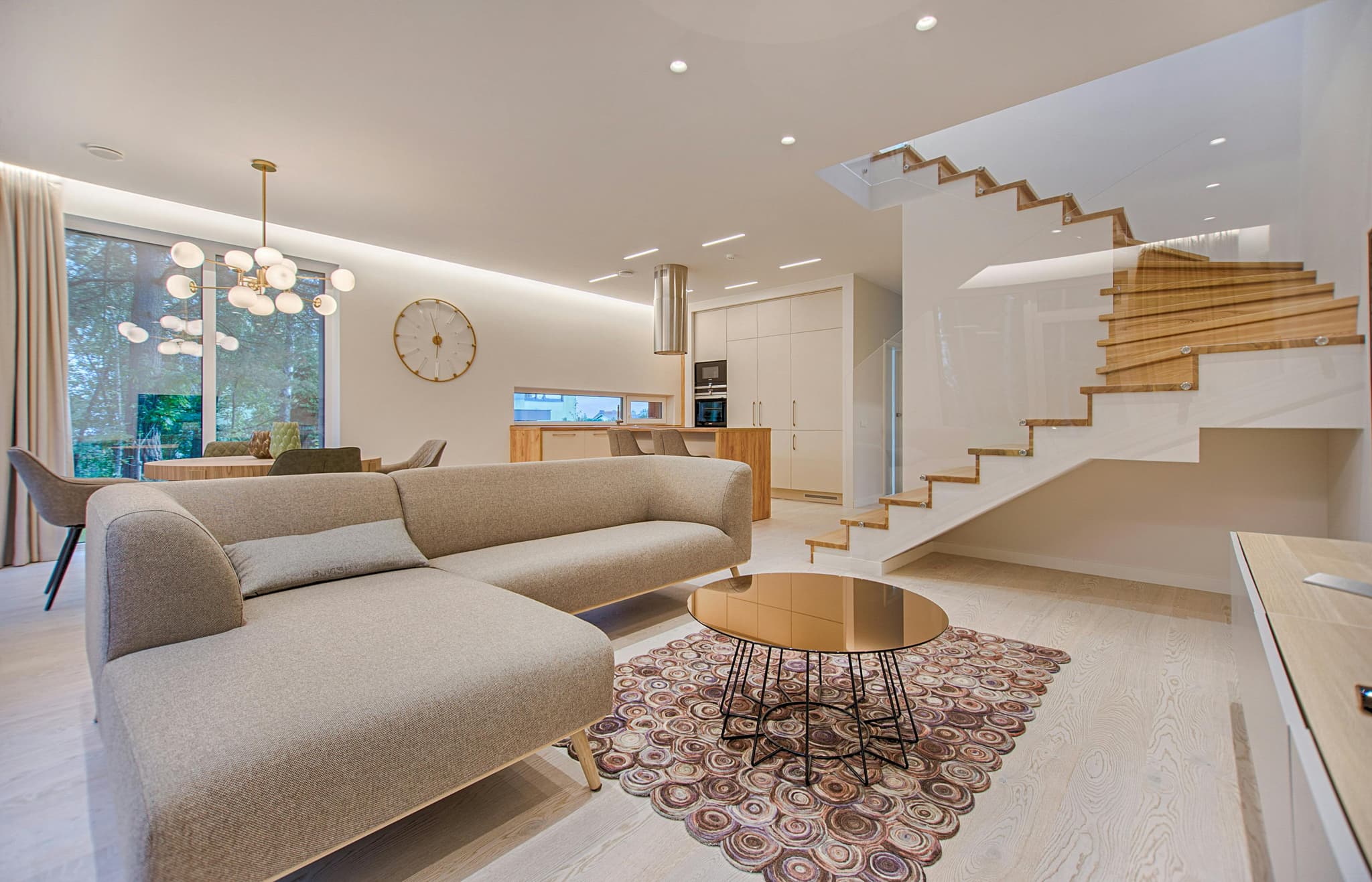
Large windows, open layouts, and indoor-outdoor connections have become central elements in modern architecture because they allow natural light to move more freely through the home.
Even relatively compact spaces can feel larger and more open when daylight reaches deeper into the interior.
Homes with limited natural light often feel smaller and more enclosed regardless of their actual square footage.
Natural light also changes the way materials interact inside a space.
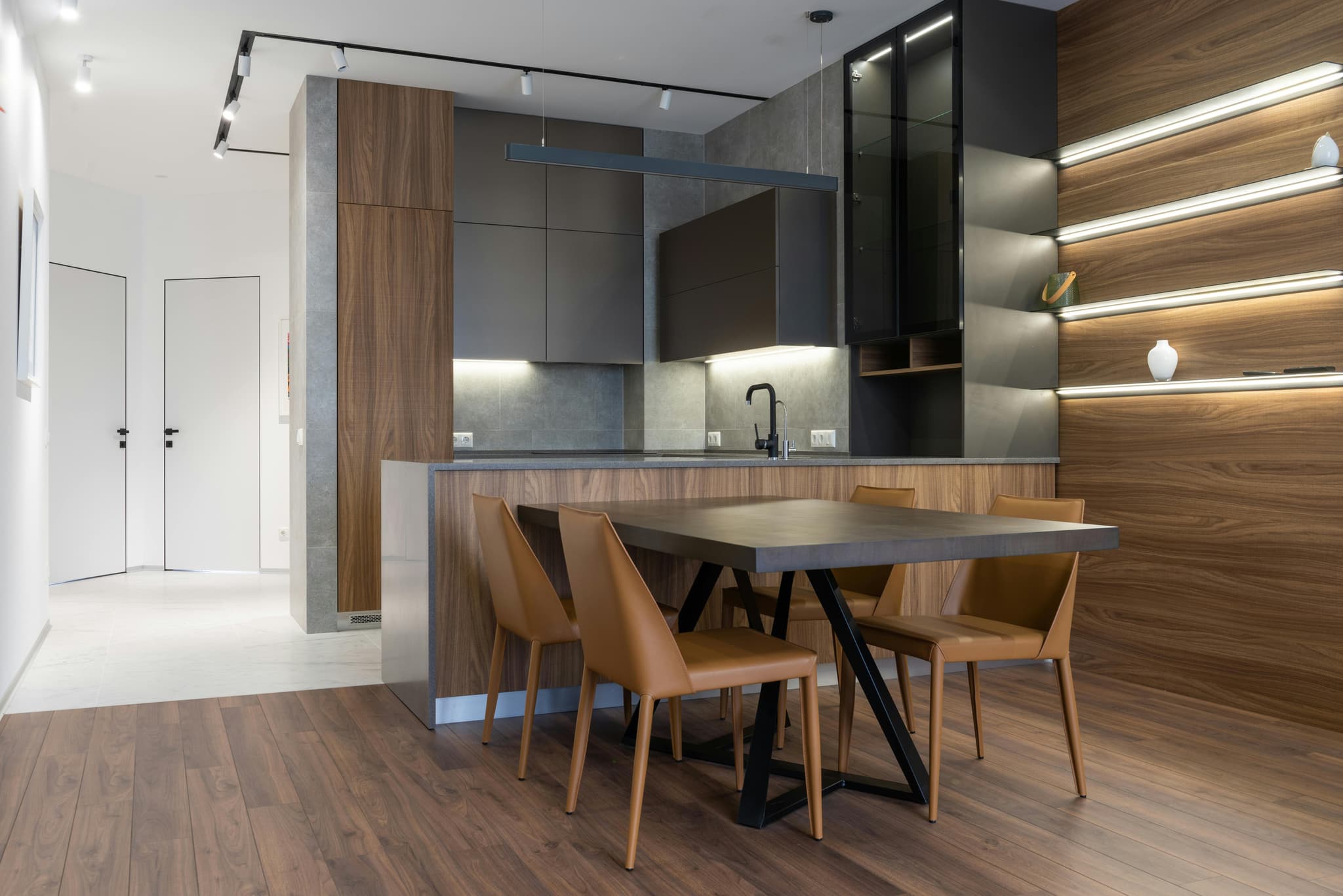
Wood flooring, textured stone, matte surfaces, linen fabrics, and neutral wall colors all appear more dynamic under daylight because shadows and brightness shift naturally throughout the day.
This movement creates interiors that feel more alive and layered without needing excessive decoration.
That’s one reason modern minimal interiors often rely heavily on daylight instead of visual clutter to create atmosphere.
The emotional impact of natural light is equally important.
Bright, sunlit spaces tend to feel:
- calmer,
- more energizing,
- more welcoming,
- and less mentally exhausting.
Many homeowners notice that rooms with stronger daylight exposure naturally become the spaces where people spend the most time.
Window placement has become much more intentional in modern home design because of this.
Architects increasingly think about:
- sunlight direction,
- privacy,
- seasonal light changes,
- and how daylight moves through different areas of the house.
The goal is not simply adding larger windows everywhere, but creating balanced light that supports both comfort and functionality.
Open-concept layouts also help natural light travel more efficiently through the home.
Walls that once separated kitchens, dining areas, and living rooms often blocked daylight from spreading across interior spaces. Modern layouts allow light to move more continuously, helping homes feel brighter overall.
This openness also creates a stronger visual connection between different parts of the home.
Natural light plays a major role in indoor-outdoor living as well.
Large sliding glass doors, oversized windows, and patio connections help blur the boundary between interior and exterior spaces. Homes feel more connected to their surroundings, which often creates a calmer and more relaxing atmosphere overall.
This design approach has become especially popular in modern residential architecture because it combines functionality with emotional comfort.
Interestingly, natural light can also influence how timeless a home feels.
Interiors heavily dependent on artificial lighting sometimes feel flat or overly staged. Spaces designed around daylight tend to feel softer and more natural because lighting conditions evolve organically throughout the day.
That flexibility helps modern homes maintain visual interest without relying heavily on trend-based design elements.
Of course, balance matters too.
Too much direct sunlight without proper planning can create:
- glare,
- excessive heat,
- fading materials,
- or uncomfortable brightness.
That’s why modern homes often combine large openings with:
- shaded overhangs,
- layered window treatments,
- strategic orientation,
- and softer material palettes.
Good lighting design is ultimately about control as much as openness.
At its core, natural light affects far more than appearance alone.
It shapes the emotional experience of living inside a home every single day.
And while design trends continue evolving, homes that feel bright, open, and connected to daylight almost always remain timeless because they simply feel better to live in.