Why Modern Homes Are Prioritizing Comfort Over Perfection
For a long time, modern interior design was heavily focused on creating spaces that looked visually flawless.
Perfect furniture placement, untouched surfaces, ultra-minimal styling, and highly curated interiors became the standard across magazines and social media. While those spaces often looked impressive, many homeowners eventually realized something important:
A beautiful home does not automatically feel comfortable to live in.
That shift in mindset has changed modern home design significantly over the last few years.
Today, people are increasingly designing homes around how spaces feel emotionally and function daily rather than simply how they appear in photographs.
One of the biggest reasons for this change is that people now spend far more time at home than they used to.
Homes are no longer just places to sleep after work or entertain occasionally. They’ve become:
- workspaces,
- relaxation areas,
- social environments,
- wellness spaces,
- and everyday living centers all at once.
As a result, homeowners are paying much closer attention to comfort, atmosphere, and functionality.
Spaces that feel overly rigid or purely decorative often become exhausting over time.
Furniture choices have evolved noticeably because of this shift.
Modern interiors still favor clean design, but comfort now plays a much larger role than before.
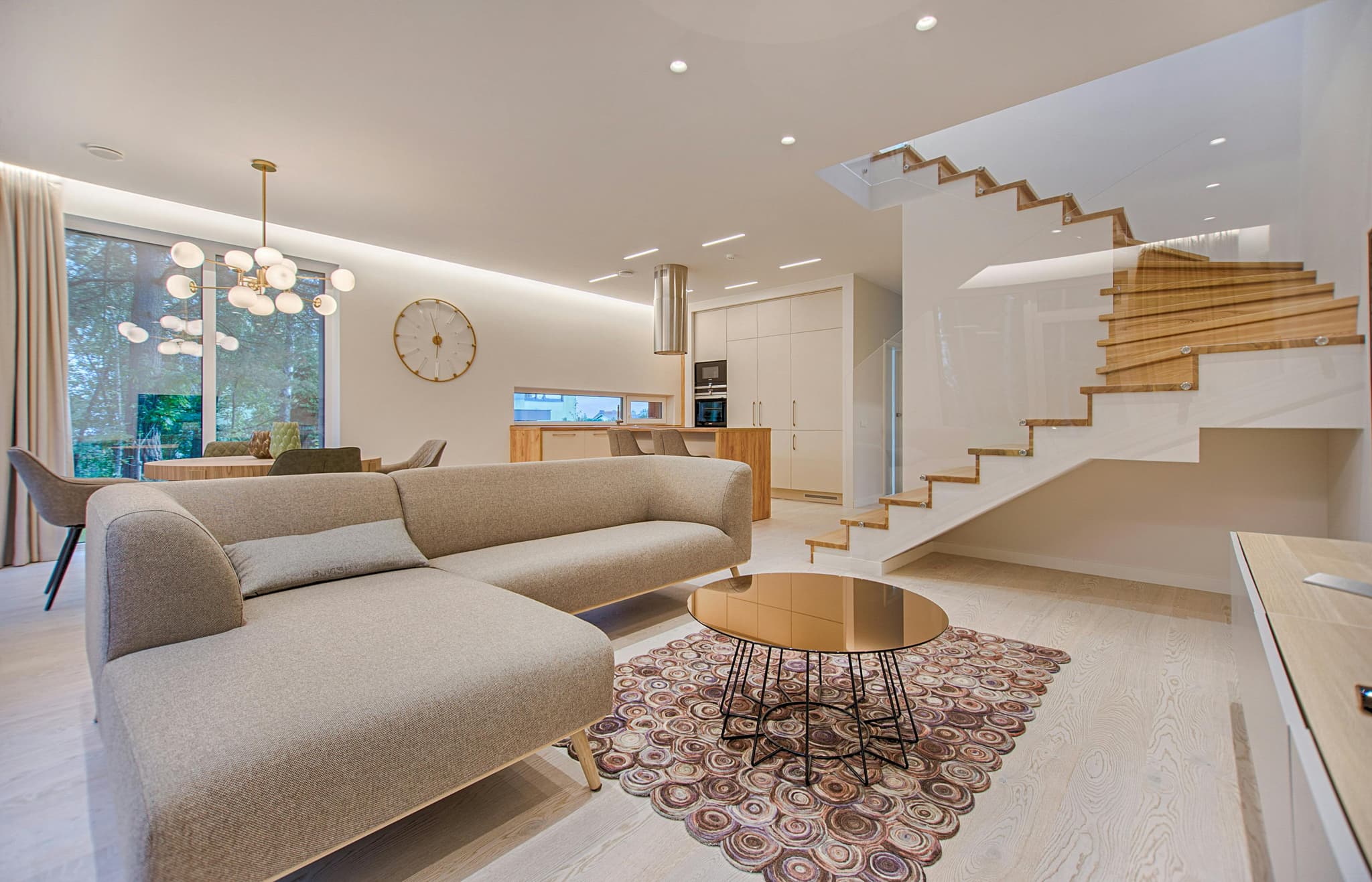
Oversized sofas, textured fabrics, softer edges, layered textiles, and more relaxed layouts have become increasingly common because homeowners want spaces that invite actual everyday use rather than just visual presentation.
People are designing homes they can genuinely live in comfortably without constantly worrying about maintaining a “perfect” appearance.
Lighting has also become far more intentional.
Bright white overhead lighting used to dominate many modern homes because it emphasized sharp architecture and minimal aesthetics. Today, homeowners are leaning toward softer and more layered lighting environments.
Warm lighting, indirect illumination, table lamps, wall sconces, and natural daylight create interiors that feel calmer and more welcoming.
The emotional atmosphere of a room is often shaped more by lighting than by furniture or decoration.
Another major shift is the growing focus on flexibility.
Modern homeowners increasingly want spaces that can adapt throughout the day:
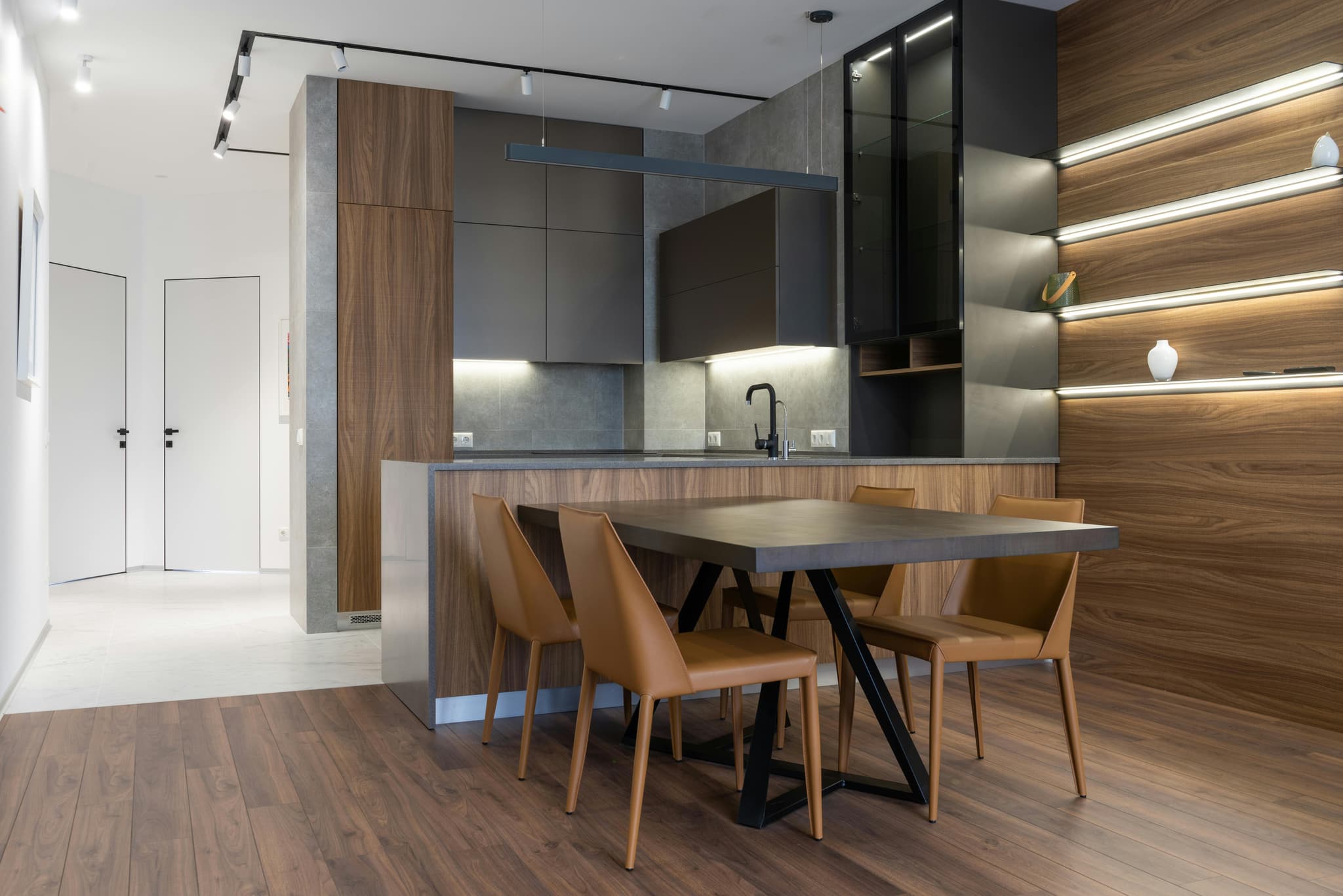
- dining areas that support remote work,
- guest rooms that function as offices,
- open living spaces for both relaxation and entertaining,
- and outdoor areas that feel connected to the interior.
This flexibility has become especially important in contemporary home design because lifestyles are far less rigid than they used to be.
Natural materials are also playing a much bigger role in creating comfortable environments.
Wood, linen, textured stone, warm neutral colors, and matte finishes help interiors feel softer and less artificial.
Instead of designing spaces around visual perfection, many homeowners are now prioritizing:
- warmth,
- texture,
- softness,
- and visual calm.
This shift explains why “warm minimalism” and “organic modern” interiors continue growing in popularity across residential design.
Interestingly, homes designed around comfort often age better visually as well.
Trend-heavy interiors that focus entirely on appearance can start feeling outdated surprisingly quickly. Spaces designed around comfort and functionality tend to remain appealing longer because they support real daily living rather than temporary aesthetics.
That’s one reason timeless interiors usually feel balanced rather than overly styled.
Technology has influenced this change too.
People are exposed constantly to highly edited interior photos online, and many homeowners have started moving away from the pressure of trying to create spaces that look permanently staged.
Instead, there’s growing appreciation for homes that feel personal, relaxed, and genuinely livable.
Imperfection is becoming more accepted in modern interior design because comfort matters more than visual perfection alone.
At its core, this shift reflects a broader change in how people think about home itself.
A modern home is no longer viewed simply as a status symbol or design showcase.
It’s increasingly seen as a place that should support:
- wellbeing,
- comfort,
- flexibility,
- and everyday quality of life.
And because of that, the homes people connect with most today are often the ones that feel warm, calming, and authentic rather than perfectly curated.