Why Textured Materials Are Becoming More Popular in Modern Homes
For a long time, modern interiors focused heavily on smooth surfaces and highly polished finishes.
Glossy cabinetry, perfectly flat walls, reflective materials, and ultra-clean lines defined contemporary design for years. While that aesthetic still exists, homeowners are gradually moving toward something that feels softer and more natural.
Texture.
Modern interiors today are becoming far more layered, tactile, and visually balanced through the use of textured materials that add warmth and character without making spaces feel busy.
And in many ways, this shift is changing how homes feel just as much as how they look.
One reason textured materials have become so popular is because they help modern spaces feel less sterile.
Minimal architecture often relies on neutral colors and simple layouts. Without texture, those spaces can sometimes feel cold or unfinished.
Materials with natural variation immediately create more visual depth:
- textured stone,
- brushed wood,
- limewash walls,
- matte finishes,
- and woven fabrics
all introduce subtle imperfections that make interiors feel more comfortable and lived-in.
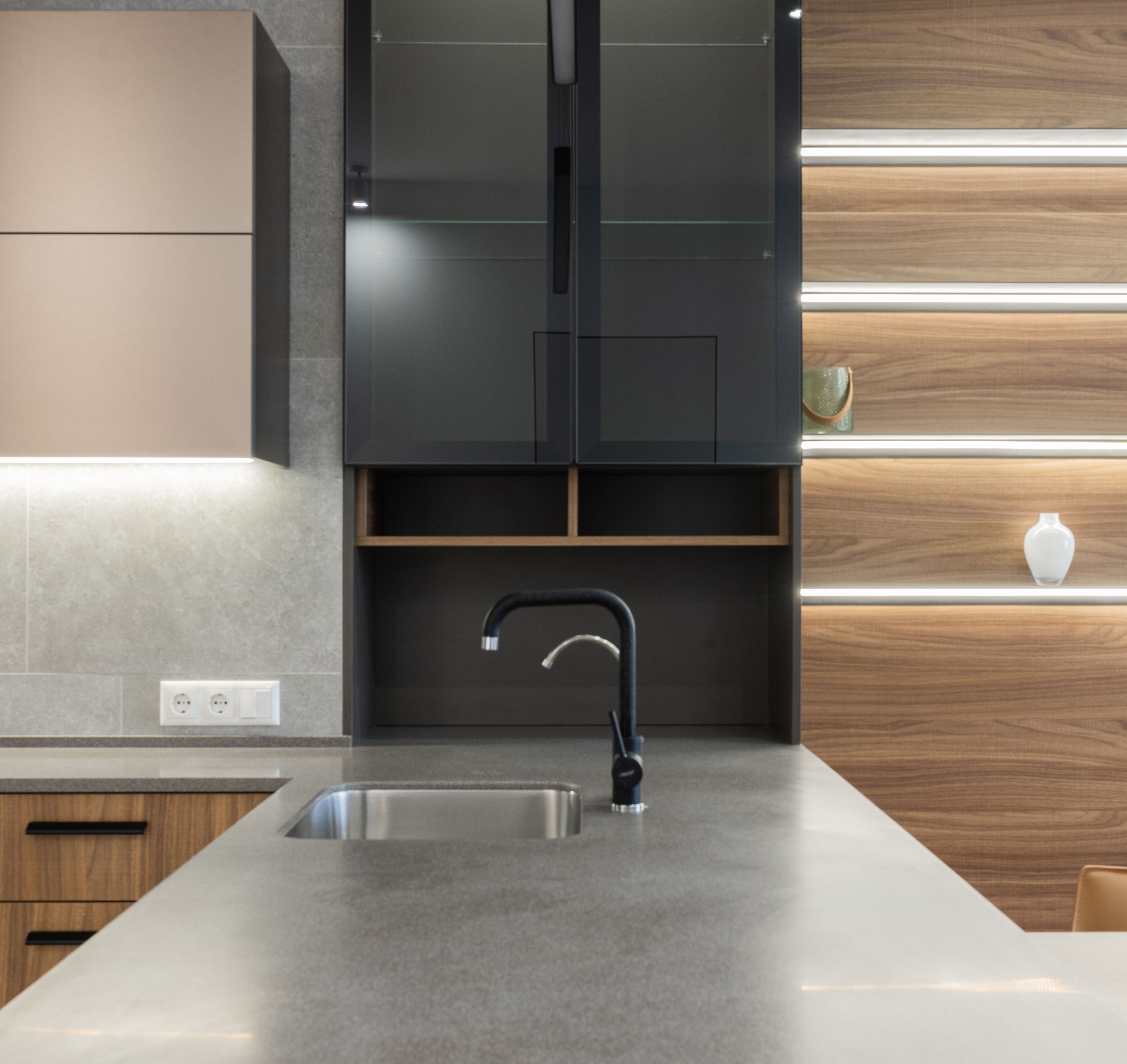
Interestingly, many of the most luxurious modern homes today use fewer bold colors and instead rely heavily on texture to create visual interest.
Stone has become one of the most influential textured materials in modern design.
Instead of highly polished marble everywhere, homeowners are increasingly choosing finishes that feel more organic:
- travertine,
- limestone,
- textured concrete,
- and brushed natural stone
have all become significantly more popular in recent years.
These materials create softness through natural imperfections and subtle movement.
Unlike trend-driven glossy finishes, textured stone tends to age naturally and maintain its appeal over time.
Walls themselves are also becoming more expressive.
Perfectly smooth painted drywall is no longer the only option in modern homes. Limewash, Venetian plaster, microcement, and textured paint finishes are increasingly used to create softer and more dimensional interiors.
One reason these materials feel so appealing is because they interact with light differently throughout the day. Shadows, depth, and subtle movement give rooms a more dynamic atmosphere without relying on strong decoration.
Wood continues to play a major role as well, especially in warmer contemporary interiors.
Instead of heavily processed finishes, modern homes are leaning toward:
- brushed oak,
- natural walnut,
- visible grain patterns,
- and matte wood textures.
These materials make minimalist spaces feel significantly more inviting while still maintaining a clean architectural look.
Another reason textured materials continue growing in popularity is because people are spending more time at home than ever before.
Homes are no longer designed purely around visual appearance. Comfort and emotional atmosphere have become major priorities in interior design.
Spaces filled entirely with hard, reflective surfaces can sometimes feel tiring over time. Texture introduces softness and balance that helps interiors feel calmer and more relaxing.
This shift is especially noticeable in:
- living rooms,
- bedrooms,
- spa-inspired bathrooms,
- and open-concept homes.
Textured materials also photograph differently than smoother finishes.
Many modern luxury interiors now rely on subtle shadows, layered materials, and soft lighting to create depth rather than using excessive decoration.
That approach tends to feel more timeless because it focuses on atmosphere instead of trend-heavy visual statements.
Importantly, texture doesn’t necessarily mean complexity.
Some of the most successful contemporary interiors still feel extremely minimal. The difference is that they combine clean architecture with materials that have natural movement and variation.
That balance helps homes feel modern without becoming cold or overly clinical.
At its core, the growing popularity of textured materials reflects a larger shift happening in interior design today.
People still want simplicity and modern aesthetics, but they also want homes that feel warm, natural, and comfortable to experience daily.
Texture helps create that feeling quietly — through materials, light, and subtle detail rather than overwhelming decoration.
And that’s exactly why textured materials are becoming such an important part of modern home design.