.jpg&w=2048&q=75)
Modern Design Changes Fast — But Great Design Lasts
Every year brings a new wave of home design trends. Some disappear within months, while others continue looking elegant and functional for decades. The challenge for homeowners is knowing which design choices will still feel modern years from now.
Timeless modern design is not about chasing trends. It’s about creating spaces that combine simplicity, comfort, durability, and functionality in a way that remains visually appealing over time.
In this guide, we explore the modern home design trends that consistently age well — and why homeowners continue investing in them.
1. Natural Light Remains Essential
Large windows, open spaces, and daylight-focused interiors have become central to modern home design. Homes designed around natural light not only feel larger and more welcoming, but they also improve everyday living.
Floor-to-ceiling windows, sliding glass doors, and skylights continue to be popular because they create a stronger connection between indoor and outdoor spaces.
Why It Ages Well
- Creates a timeless, clean atmosphere
- Makes spaces feel larger
- Reduces dependence on artificial lighting
- Works with nearly every interior style
2. Warm Minimalism Is Replacing Cold Interiors
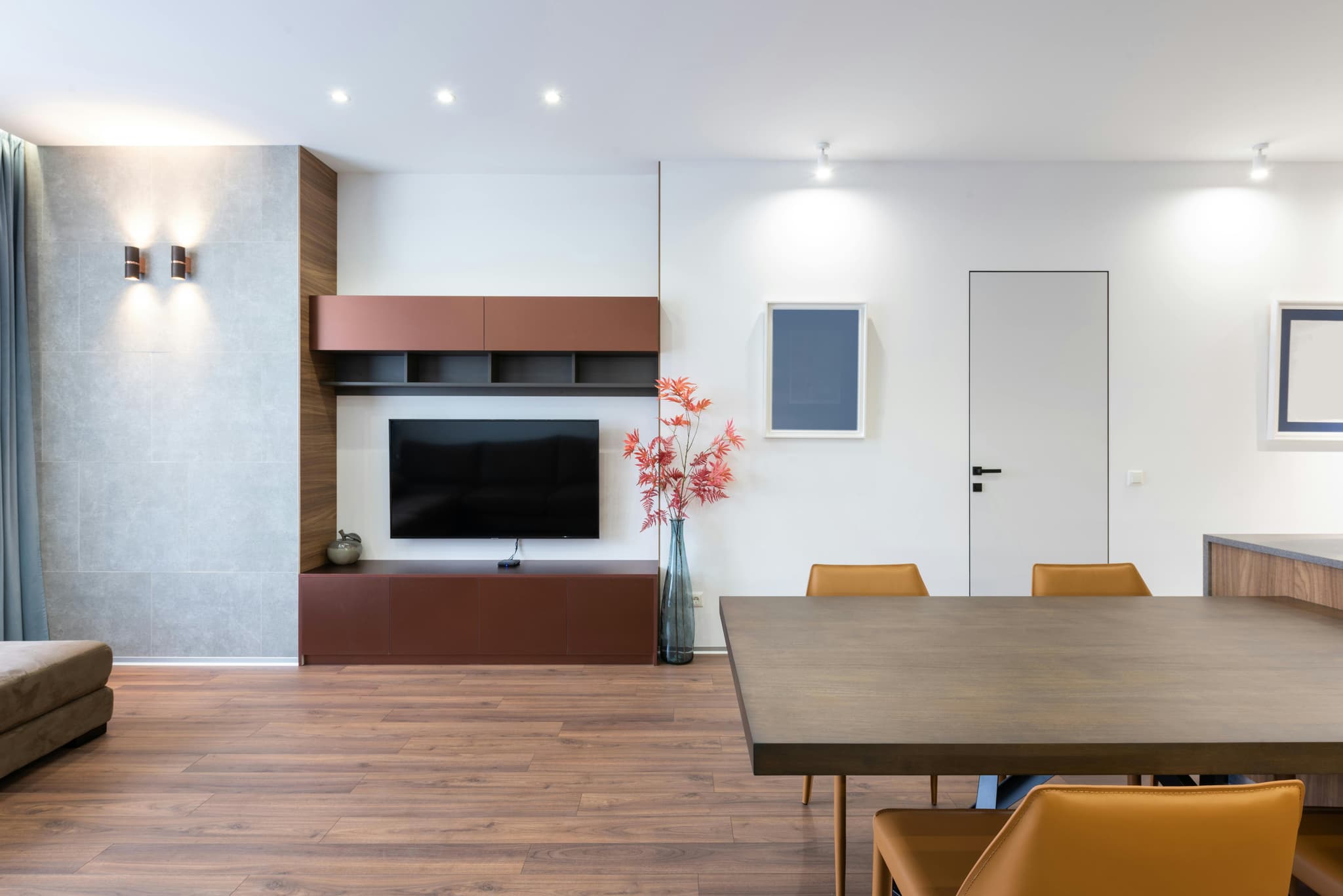
Minimalism is still highly popular, but modern homeowners are moving away from overly sterile spaces. Warm minimalism combines clean architecture with softer textures and natural materials.
Instead of pure white rooms with sharp contrasts, today’s timeless interiors feature:
- warm wood tones,
- textured fabrics,
- soft lighting,
- and neutral earth-inspired palettes.
This approach creates interiors that feel modern without becoming cold or impersonal.
Suggested Images
- Warm minimalist living room
https://www.pexels.com/photo/modern-living-room-with-wood-details-6489127/
- Soft neutral interior palette
https://unsplash.com/photos/beige-modern-interior-5qrq8J4zu98
- Natural wood contemporary design
https://www.pexels.com/photo/brown-wooden-table-inside-room-276724/
Popular Materials
- Oak wood
- Limestone
- Matte finishes
- Linen textiles
- Natural stone accents
3. Functional Open Layouts Continue to Dominate
Open-concept living remains one of the most requested design approaches in residential construction. However, modern layouts are becoming more intentional.
Instead of removing every wall, designers now focus on creating defined zones while maintaining openness.
For example:
- kitchens connected to dining areas,
- living rooms with subtle separation,
- multifunctional spaces for work and relaxation.
The result is a home that feels open while still maintaining privacy and organization.
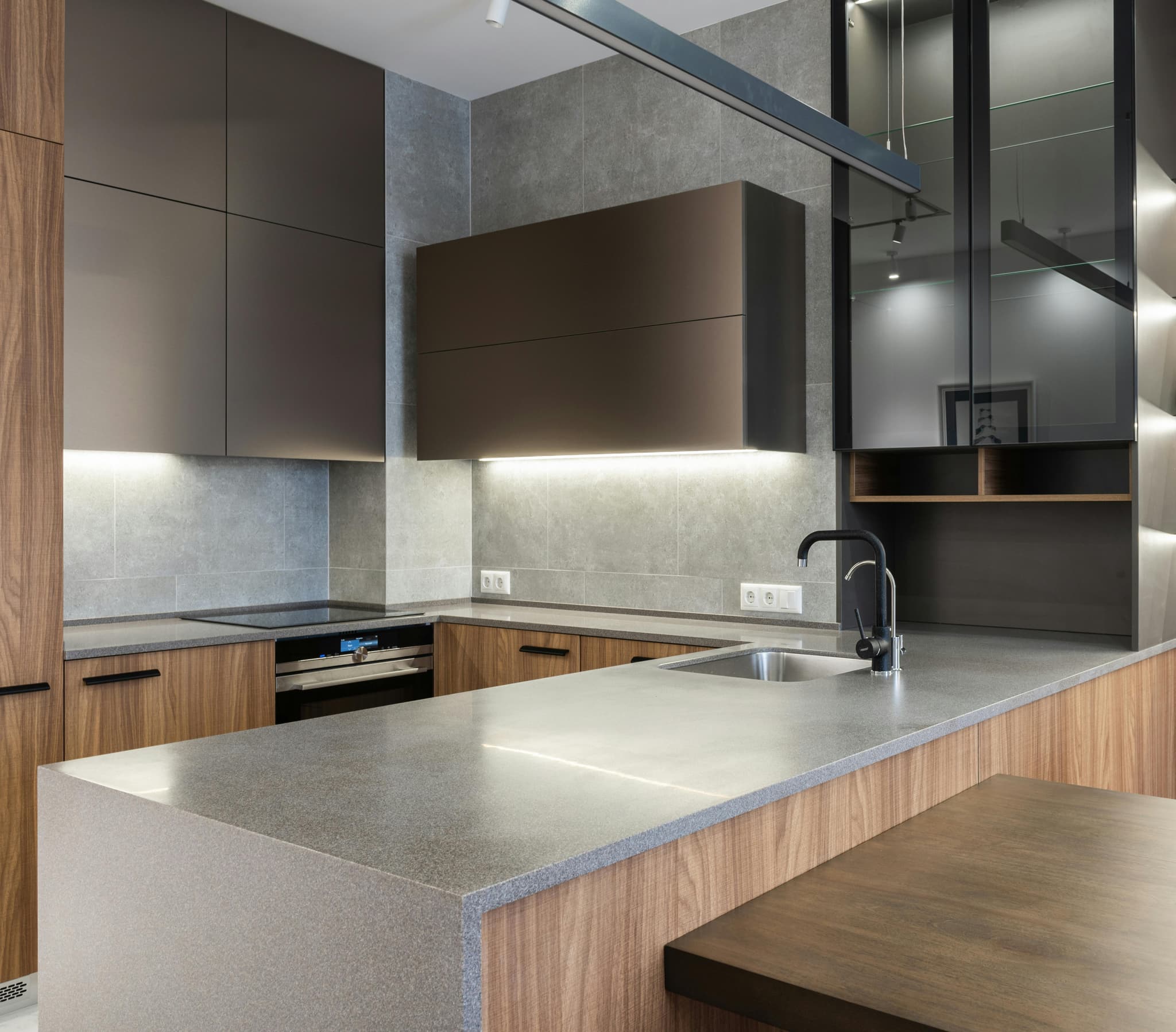
4. Kitchens Are Becoming More Architectural
Modern kitchens are no longer viewed as purely functional spaces. They have become central design features within the home.
Timeless kitchen design focuses on:
- integrated appliances,
- clean cabinetry,
- durable materials,
- and uncluttered surfaces.
Large islands, hidden storage, and statement lighting continue to perform well both visually and functionally.
Suggested Images
- Luxury modern kitchen island
https://unsplash.com/photos/modern-kitchen-interior-0JYgd2QuMfw
- Architectural contemporary kitchen
https://www.pexels.com/photo/modern-kitchen-room-interior-2062426/
- Minimal kitchen with stone finishes
https://unsplash.com/photos/minimal-modern-kitchen-gREquCUXQLI
Design Choices That Stay Relevant
- Flat-panel cabinetry
- Neutral color palettes
- Natural stone countertops
- Under-cabinet lighting
- Matte black or brushed metal hardware
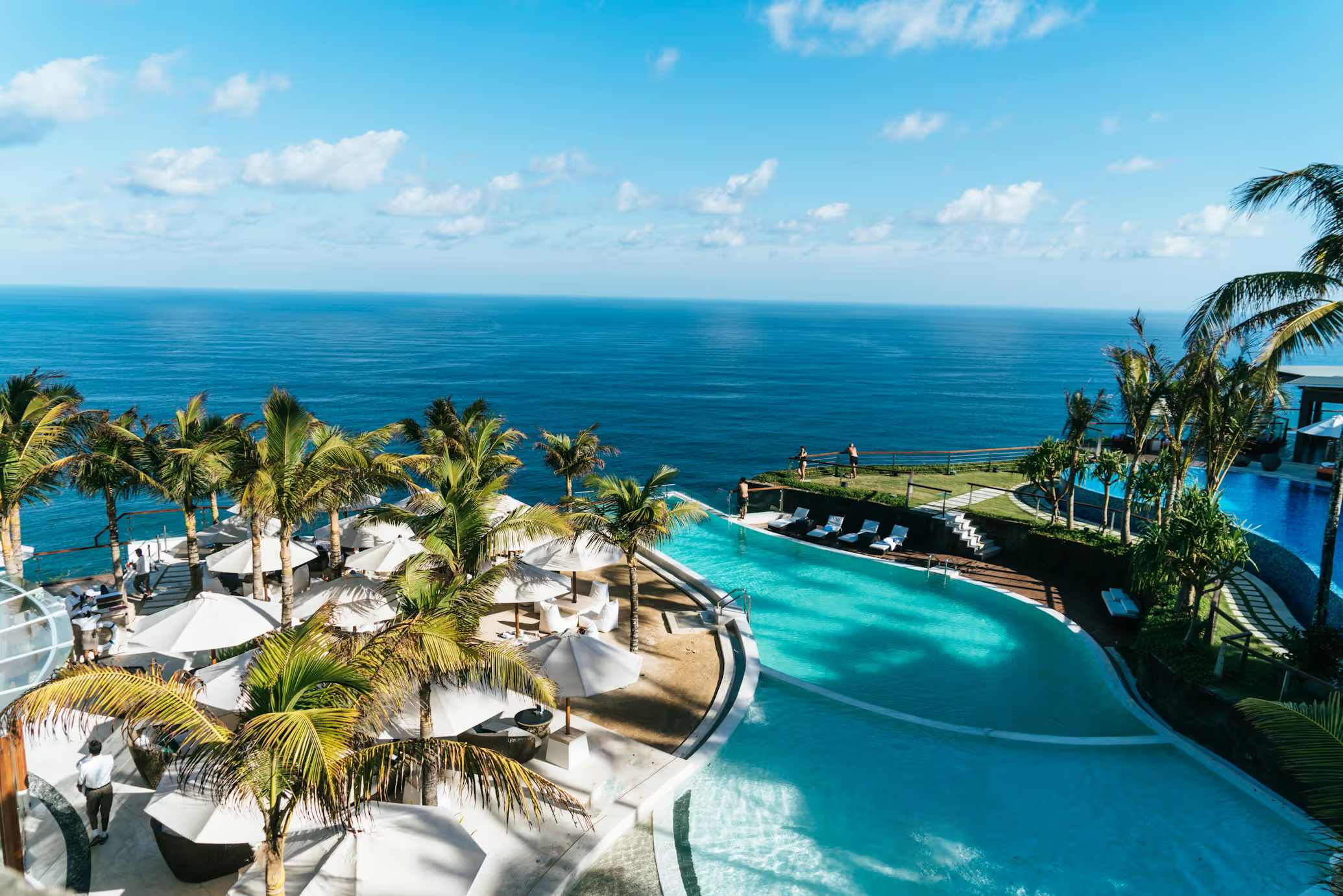
5. Indoor-Outdoor Living Is Here to Stay
One of the strongest long-term trends in architecture is the blending of indoor and outdoor spaces.
Modern homeowners increasingly value:
- outdoor kitchens,
- covered patios,
- lounge areas,
- and seamless backyard access.
Large sliding or folding glass doors help create a continuous flow between interior and exterior living areas.
### Suggested Images
- Modern patio with sliding glass doors
https://www.pexels.com/photo/swimming-pool-near-modern-house-261102/
- Contemporary backyard lounge area
https://unsplash.com/photos/luxury-modern-house-exterior-9rYfG8sWRVo
- Indoor-outdoor architectural design
https://www.pexels.com/photo/modern-house-with-pool-323780/
### Benefits
- Expands usable living space
- Improves entertainment areas
- Increases natural ventilation
- Enhances property value
6. Sustainable Design Is Becoming Standard
Sustainability is no longer just a trend — it has become an expectation in modern construction and renovation.
Homeowners are increasingly prioritizing:
- energy-efficient windows,
- better insulation,
- sustainable materials,
- and smart energy systems.
The most successful modern homes combine aesthetics with long-term efficiency.
Examples of Sustainable Features
- LED lighting systems
- Solar-ready roofing
- High-performance insulation
- Water-saving fixtures
- Energy-efficient appliances
7. Timeless Color Palettes Outperform Bold Trends
Bold colors can create visual impact, but timeless homes typically rely on balanced, neutral palettes.
Colors that consistently age well include:
- warm white,
- beige,
- soft gray,
- sand,
- charcoal,
- and natural wood tones.
These palettes allow homeowners to update furniture and decor over time without needing major renovations.
### Suggested Images
- Neutral modern interior inspiration
https://unsplash.com/photos/neutral-living-room-design-uooMllXe6gE
- Warm beige contemporary home
https://www.pexels.com/photo/modern-living-room-with-beige-sofa-6585751/
- Timeless modern design palette
https://unsplash.com/photos/scandinavian-style-interior-Lks7vei-eAg
8. Custom Storage Improves Both Design and Daily Living
A clean and organized space always feels more modern. Built-in storage solutions help reduce visual clutter while improving functionality.
Popular modern storage features include:
- hidden pantry systems,
- walk-in closets,
- custom shelving,
- and integrated cabinetry.
Well-designed storage also helps preserve the minimalist appearance many homeowners want.
Final Thoughts
The best modern home designs are not built around short-lived trends. They focus on quality materials, functional layouts, natural light, and comfortable living environments that continue to feel relevant over time.
Whether building a new home or planning a renovation, investing in timeless design principles often delivers the best long-term value — both aesthetically and financially.
Thoughtful planning, durable materials, and balanced interiors can help create a home that remains modern and inviting for years to come.