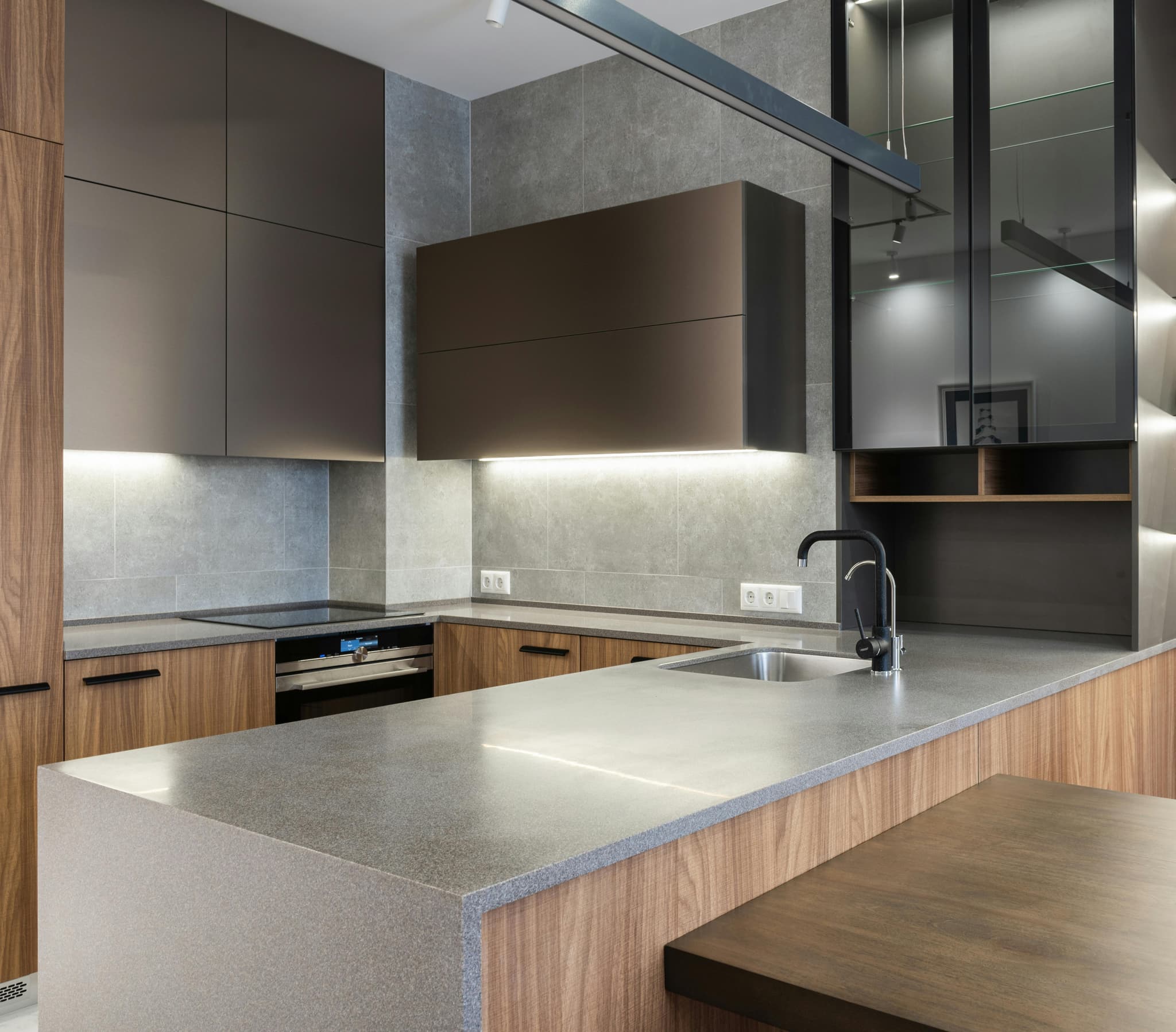
Why Natural Materials Continue to Define Modern Interior Design
Interior design trends change constantly, but some elements never fully disappear. Natural materials are one of them.
No matter how modern architecture evolves, materials like wood, stone, linen, and textured plaster continue finding their way into contemporary homes. And over the last few years, their role has become even more important.
People still want clean, modern interiors — but they also want homes that feel comfortable, warm, and connected to real life rather than overly artificial.
Natural materials help create that balance.
One reason these materials remain so popular is because they bring depth into spaces that might otherwise feel too minimal or sterile.
Modern interiors often rely on simple layouts and neutral palettes. Without texture, those spaces can quickly start feeling flat or impersonal.
Natural materials introduce subtle variation that makes interiors feel more layered and visually interesting without overwhelming the design.
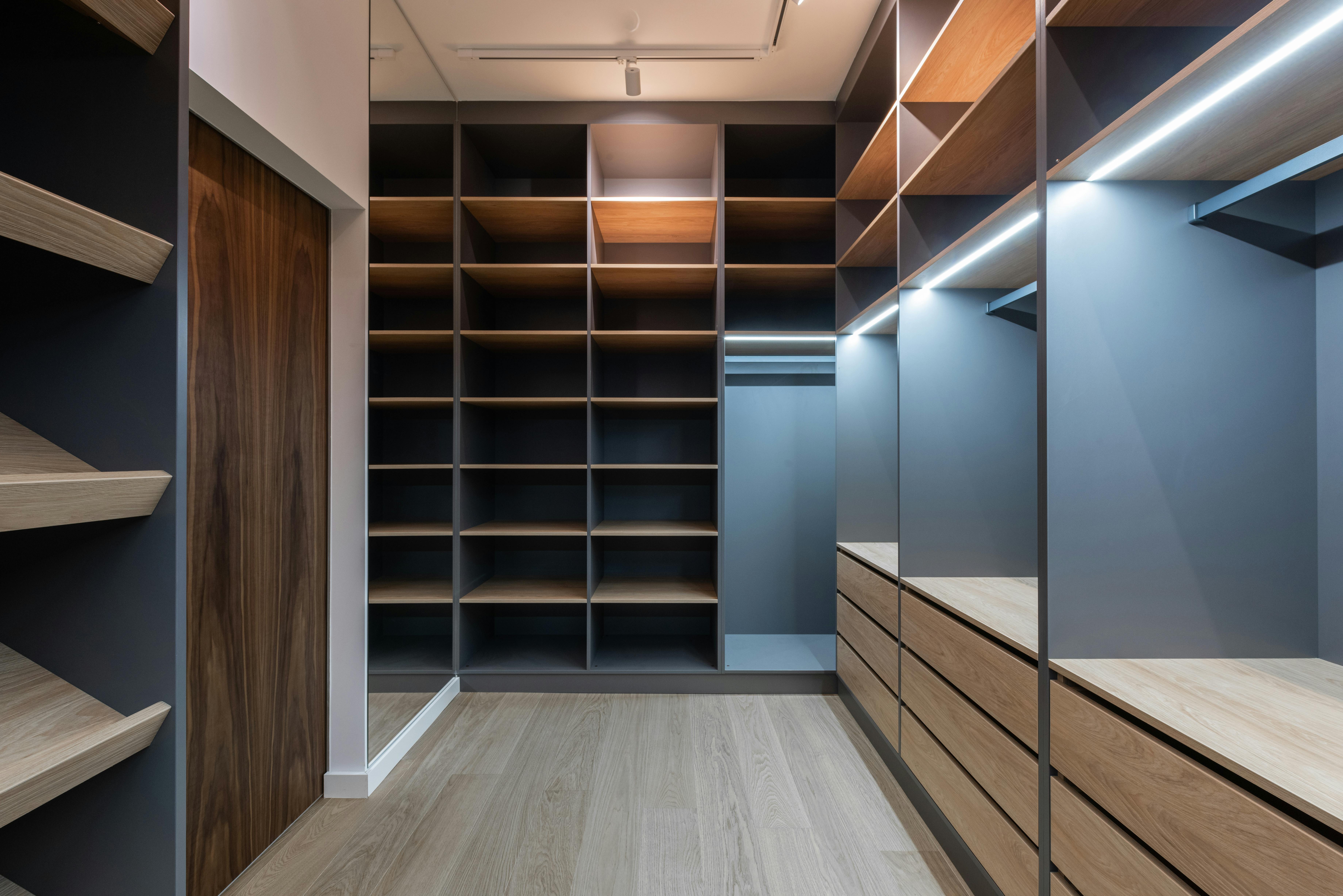
Even small details like wood grain, matte stone surfaces, or woven fabrics can completely change the atmosphere of a room.
Wood continues to play one of the biggest roles in modern interiors.
For years, ultra-glossy finishes and colder palettes dominated many contemporary homes. Today, warmer wood tones are returning because they soften modern architecture and make spaces feel significantly more inviting.
Oak, walnut, ash, and lighter natural finishes have become especially common in:
- kitchens,
- flooring,
- custom cabinetry,
- wall accents,
- and furniture design.
These materials also age naturally over time, which gives interiors a more timeless quality.
Stone has seen a similar resurgence.
Materials like limestone, travertine, marble, and textured concrete are increasingly used not only for countertops, but throughout entire living spaces.
What makes stone especially appealing is its ability to feel both luxurious and understated at the same time.
Unlike trend-driven materials that quickly become dated, natural stone tends to maintain its visual appeal for decades because its imperfections and variation feel authentic rather than manufactured.
Textiles have also become much more important in modern home design.
Minimal interiors now rely heavily on softer materials to create warmth and comfort:
- linen curtains,
- textured rugs,
- boucle fabrics,
- woven accents,
- and layered upholstery
all help balance the cleaner architectural lines found in contemporary spaces.
This shift reflects a larger change happening in interior design overall. Homes are becoming less focused on looking perfect and more focused on feeling livable.
Another reason natural materials continue growing in popularity is the emotional response they create.
Spaces built entirely around synthetic surfaces can sometimes feel cold or disconnected. Natural textures tend to create calmer and more relaxing environments because they feel familiar and grounded.
This is one reason why many modern luxury homes now emphasize “organic modern” design — a style centered around simplicity combined with natural warmth.
Natural materials also work extremely well with evolving trends because they adapt easily over time.
A neutral stone floor or natural wood cabinetry can fit:
- minimalist interiors,
- Scandinavian-inspired homes,
- warm contemporary spaces,
- or even more traditional architecture.
That flexibility makes them a safer long-term investment compared to trend-heavy finishes that may feel outdated within a few years.
Interestingly, the growing focus on sustainability has also influenced this shift.
Many homeowners now pay closer attention to:
- material longevity,
- craftsmanship,
- and overall quality
rather than simply choosing whatever looks trendy online.
Natural materials often align better with that mindset because they’re associated with durability, authenticity, and timeless design.
At the end of the day, modern interiors are no longer just about creating spaces that look impressive in photos.
People want homes that feel comfortable to live in every single day.
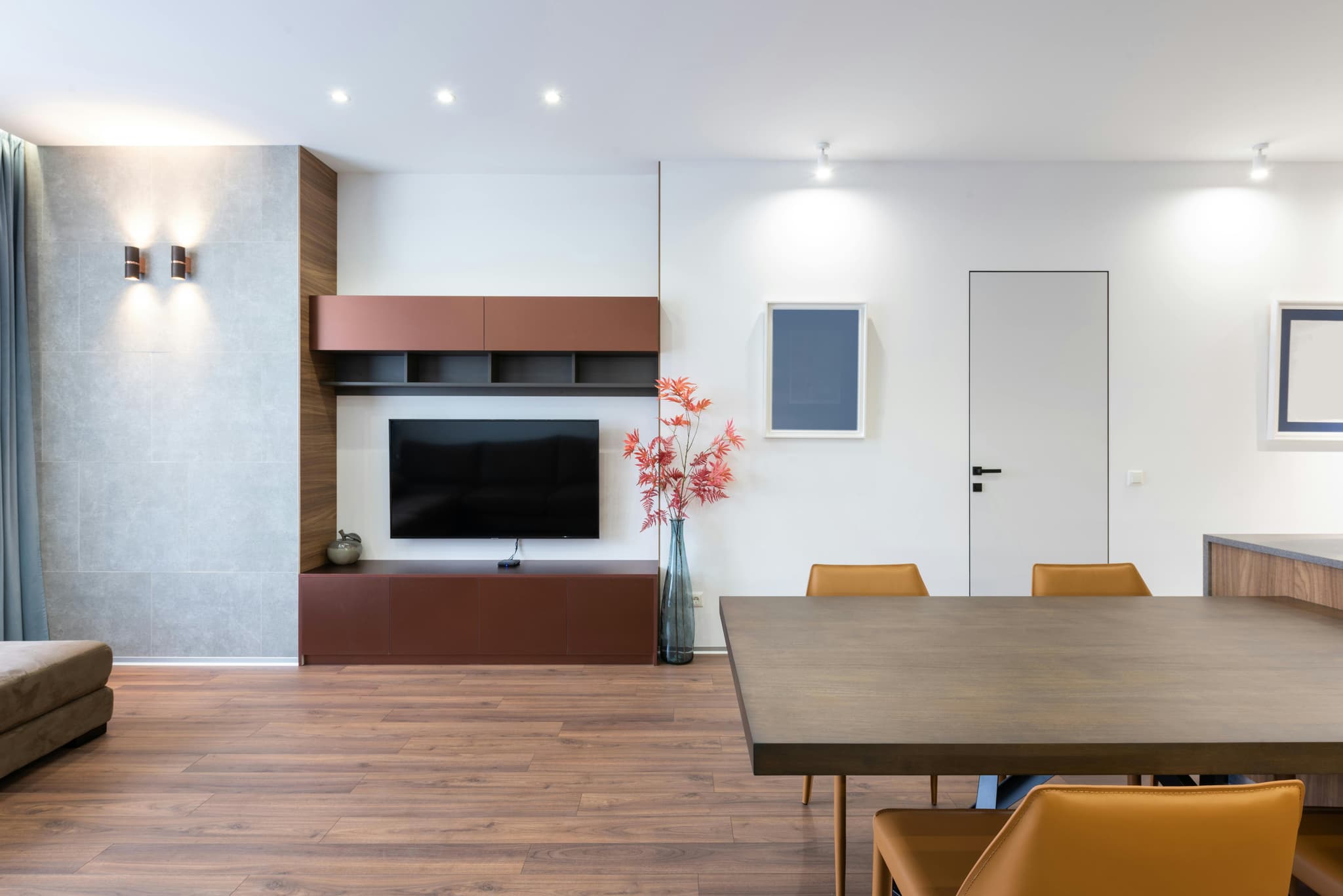
Natural materials help create that experience through texture, warmth, softness, and visual balance — which is exactly why they continue to remain at the center of modern interior design.
.jpg&w=2048&q=75)